

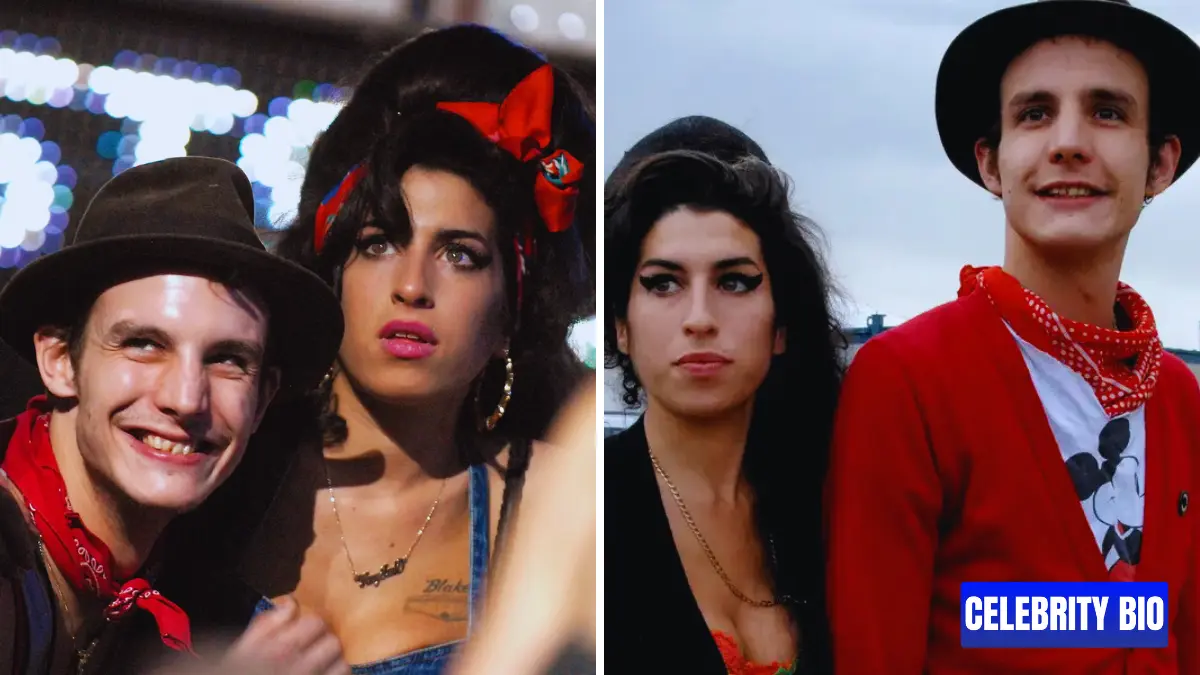
Blake Fielder-Civil is a name that continues to echo in popular culture, not because of a glittering career or chart-topping success, but because of his intense, complicated connection to one of the most iconic musicians of the 21st century. Mention Blake Fielder-Civil and most people instantly think of tabloid chaos, addiction, controversy, and tragedy. Yet reducing his life to a single narrative misses important context, nuance, and uncomfortable truths about fame, blame, and personal responsibility.
This article goes beyond surface-level gossip to explore who Blake Fielder-Civil really is, how the media shaped his public image, and why his story still matters today. By examining his early life, relationship dynamics, legal troubles, and attempts at rebuilding, we uncover a more human portrait—one marked by mistakes, vulnerability, and consequences. If you’re looking for more than recycled headlines, this deep dive promises clarity, context, and perspective.
Early Life and Background of Blake Fielder-Civil
Before global attention found him, Blake Fielder-Civil lived a largely unremarkable life. Born in England, he grew up away from the spotlight, shaped by ordinary social environments rather than celebrity privilege. Friends from his youth often described him as charismatic, impulsive, and emotionally intense—traits that would later become magnified under public scrutiny.
His early years showed little indication that he would become a permanent fixture in celebrity news. He did not pursue fame directly, nor did he have ambitions within music or entertainment. Instead, his life followed a more conventional trajectory, marked by friendships, romantic relationships, and the everyday challenges of young adulthood. This context is crucial because it highlights how suddenly and dramatically his life changed once fame entered the equation.
How Blake Fielder-Civil Entered the Public Eye
Blake Fielder-Civil became globally known through his relationship with Amy Winehouse, one of Britain’s most celebrated musical talents. Their connection was intense from the start—passionate, volatile, and emotionally consuming. Almost overnight, Blake found himself thrust into a media ecosystem that thrives on extremes.
The press framed him not as a person but as a symbol: the “bad influence,” the antagonist in a tragic love story. Photographs, speculation, and sensational headlines followed him relentlessly. Unlike seasoned celebrities trained to navigate fame, Blake faced exposure without preparation, legal counsel, or emotional insulation. The imbalance between personal reality and public perception became stark and unforgiving.
A Relationship That Defined a Public Narrative
The relationship between Blake Fielder-Civil and Amy Winehouse was complex, deeply emotional, and often destructive. Both struggled with addiction, co-dependency, and mental health issues. Rather than portraying their bond as a mutual struggle, media narratives often simplified it into a one-sided blame story.
This oversimplification ignored uncomfortable truths:
- Addiction is rarely caused by a single person
- Co-dependent relationships amplify existing vulnerabilities
- Fame intensifies destructive behaviours rather than resolving them
While Blake Fielder-Civil openly acknowledged his mistakes, the public narrative rarely allowed space for accountability on all sides. This imbalance played a significant role in how history remembers him.
Addiction, Accountability, and Public Judgment
One of the most discussed aspects of Blake Fielder-Civil’s life is his struggle with substance abuse. Unlike many celebrity-adjacent figures who deny or deflect, he has spoken candidly about his addiction, accepting responsibility for his actions without glamourising them.
Key points often overlooked include:
- Addiction predates many high-profile relationships
- Recovery is rarely linear
- Relapse does not erase accountability or humanity
Blake’s admissions did little to soften public judgment. In an era hungry for villains, nuance struggled to survive. Yet his willingness to acknowledge wrongdoing distinguishes him from many who hide behind silence or spin.
Legal Troubles and Their Lasting Impact
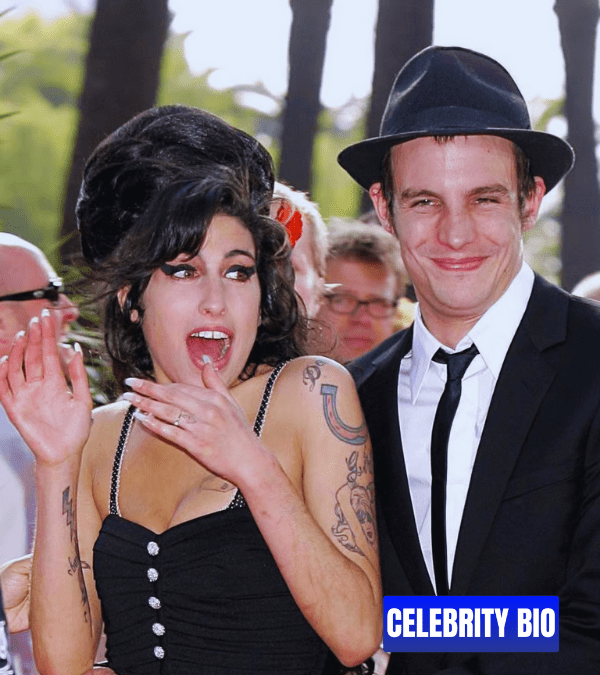
Legal issues further cemented Blake Fielder-Civil’s reputation in the public eye. Convictions related to assault and other offences added weight to existing criticisms. However, these moments also marked turning points—points where consequences became unavoidable.
Legal consequences reshaped his life in profound ways:
- Loss of personal freedom
- Permanent public record
- Increased difficulty rebuilding a private life
While accountability is essential, the long-term social punishment extended far beyond formal sentencing. This raises broader questions about whether society allows space for rehabilitation once a narrative has hardened.
Media Framing: From Individual to Symbol
Perhaps the most damaging element in Blake Fielder-Civil story is how media framing stripped him of individuality. He became less a person and more a cautionary tale, repeatedly referenced whenever discussions of Amy Winehouse’s struggles arise.
This framing served multiple purposes:
- Simplified complex issues for mass consumption
- Deflected attention from systemic failures in the music industry
- Created a digestible villain archetype
By focusing blame narrowly, the media avoided deeper conversations about exploitation, mental health support, and the pressures placed on young artists.
Life After the Spotlight
In later years, Blake Fielder-Civil largely retreated from public attention. Attempts to live privately were often disrupted by renewed media interest, especially around anniversaries or documentaries. Despite this, he pursued a quieter existence, focusing on recovery, fatherhood, and rebuilding a sense of normalcy.
This phase of his life is rarely discussed, yet it offers insight into resilience after public downfall. Rebuilding without public sympathy is uniquely challenging. Progress happens without applause, and setbacks occur under lingering judgment.
Fatherhood and Personal Responsibility
One of the most transformative aspects of Blake Fielder-Civil’s later life has been fatherhood. Becoming a parent reshaped his priorities, grounding him in responsibilities that extended beyond self-destruction or public perception.
Fatherhood introduced:
- A renewed motivation for stability
- A reason to confront addiction honestly
- A future-oriented perspective
While not a redemption arc crafted for headlines, this chapter underscores the human capacity for change, even when past mistakes loom large.
Public Perception Versus Personal Reality
There remains a stark divide between how Blake Fielder-Civil is perceived and how he lives today. Public memory often freezes individuals at their worst moments, ignoring growth or context. This gap highlights a broader cultural issue: our difficulty in holding multiple truths simultaneously.
Blake can be:
- Responsible for harm
- A product of destructive environments
- A person capable of reflection and change
These realities do not cancel each other out. Understanding this complexity does not excuse behaviour—it humanises it.
Why Blake Fielder-Civil’s Story Still Matters
The story of Blake Fielder-Civil is not just about one man; it reflects how society treats those adjacent to fame, especially when tragedy strikes. It reveals how narratives are constructed, how blame is distributed, and how difficult it is to escape a public identity once assigned.
His story encourages important conversations about:
- Mental health stigma
- Addiction and recovery
- Media ethics
- The limits of public forgiveness
Ignoring these lessons risks repeating the same patterns with new faces.
Frequently Asked Questions (FAQs)
Who is Blake Fielder-Civil?
Blake Fielder-Civil is an English public figure best known for his relationship with singer Amy Winehouse and his subsequent media attention.
Why is Blake Fielder-Civil controversial?
He became controversial due to legal issues, struggles with addiction, and media portrayal during a highly publicised relationship.
Did Blake Fielder-Civil admit responsibility for his actions?
Yes, he has publicly acknowledged his role in harmful behaviours and spoken openly about addiction and regret.
What is Blake Fielder-Civil doing now?
He lives largely out of the public eye, focusing on recovery, family life, and maintaining personal stability.
Is Blake Fielder-Civil still discussed today?
Yes, his name often resurfaces in discussions about Amy Winehouse, addiction, and media responsibility.
Conclusion: Understanding Blake Fielder-Civil Beyond the Label
Blake Fielder-Civil’s life cannot be reduced to a single headline or role in someone else’s tragedy. His story is messy, uncomfortable, and deeply human—marked by poor choices, public condemnation, and quiet attempts at rebuilding. Understanding his journey does not mean excusing harm; it means recognising complexity in a world that prefers simplicity.

