

Introduction
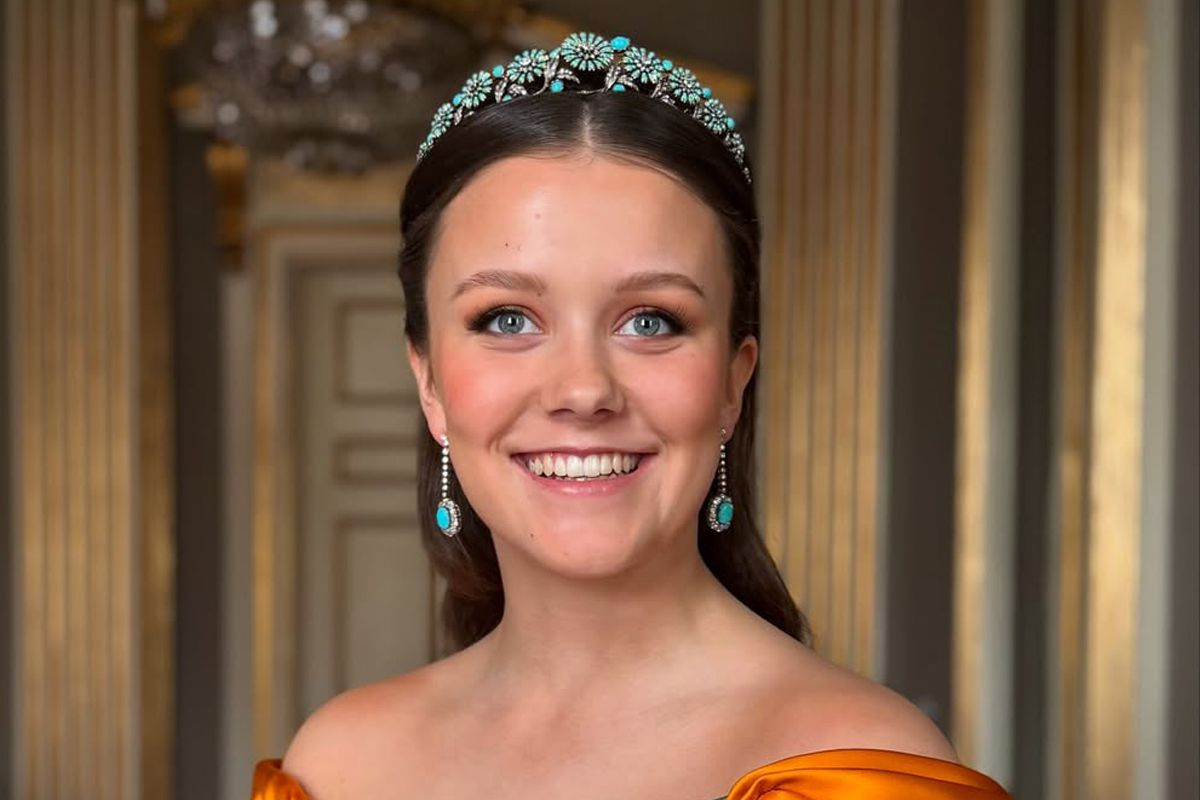
In the evolving landscape of European royalty, Princess Isabella of Denmark stands out as a young figure balancing tradition with modern expectations. As the second child of King Frederik X and Queen Mary, she represents the next generation of the Danish monarchy—one that is increasingly visible, relatable, and connected to contemporary society.
Born into one of Europe’s oldest royal families, Princess Isabella has gradually captured public attention with her poised appearances, confident demeanor, and growing role within the royal household. While still young, her presence signals a shift toward a more accessible monarchy that resonates with younger audiences.
This article takes an in-depth look at Princess Isabella of Denmark—her early life, education, family dynamics, public appearances, and the influence she is beginning to carve out both in Denmark and beyond.
Early Life and Royal Heritage
Princess Isabella of Denmark was born on April 21, 2007, in Copenhagen, making her second in line after her older brother, Crown Prince Christian. Her birth marked a moment of celebration across Denmark, as citizens welcomed another member into the beloved royal family.
Isabella belongs to the prestigious House of Glücksburg, a lineage that has shaped Danish history for generations. Despite the weight of this legacy, her upbringing has been intentionally grounded. Her parents have emphasized normalcy, ensuring she experiences life beyond palace walls.
From a young age, Isabella displayed a lively and independent personality. Royal watchers often noted her expressive nature during official appearances, which distinguished her from the more reserved demeanor typically associated with royal children.
Growing up alongside her siblings—Christian, Prince Vincent, and Princess Josephine—Isabella has enjoyed a close-knit family life. This dynamic has played a crucial role in shaping her confidence and social ease.
Education and Personal Development
Education has been a cornerstone in Princess Isabella’s upbringing. Like many modern royals, she attends public school rather than being privately tutored within the palace. This decision reflects the Danish monarchy’s progressive approach to raising relatable and socially aware heirs.
Isabella has been enrolled in institutions that emphasize academic excellence, creativity, and social responsibility. Her exposure to a diverse group of peers has contributed to her grounded worldview—an essential quality for a future royal figure.
Beyond academics, Isabella is believed to have interests in arts, sports, and cultural activities. Though details are kept relatively private, glimpses from public events suggest she enjoys music and performance, often appearing comfortable in front of audiences.
Her education is not just about academics; it’s also about preparing for future responsibilities. As she grows older, royal protocol, public speaking, and diplomacy will likely become a larger part of her development.
Role Within the Danish Royal Family
As the second child of the monarch, Princess Isabella of Denmark does not carry the same immediate responsibilities as the heir. However, her position still holds significant importance within the royal structure.
She represents continuity and support within the monarchy—a role that often allows for greater flexibility. Historically, second-born royals have had the opportunity to shape their own paths while still contributing meaningfully to royal duties.
Isabella has already begun participating in select official events, often alongside her parents. These appearances serve as early training, helping her understand the expectations tied to her status.
Her natural charisma and ease in public settings have made her a favorite among royal observers. Unlike more formal royal figures of the past, Isabella’s presence feels approachable, reflecting a broader shift in how monarchies engage with the public.
Public Appearances and Media Attention
Over the years, Princess Isabella has increasingly stepped into the public eye. From national celebrations to family milestones, her appearances are carefully curated yet revealing of her growing confidence.
One notable aspect of Isabella’s public image is her authenticity. Whether attending a royal event or participating in a casual outing, she often appears relaxed and genuine—qualities that resonate strongly with younger audiences.
Media coverage of Isabella tends to highlight:
- Her fashion choices, which blend youthful trends with royal elegance
- Her interactions with family members, showcasing warmth and humor
- Her evolving role as a young public figure
Unlike previous generations, Isabella is growing up in a digital age where public perception is shaped not only by traditional media but also by social platforms. While the Danish royal family maintains a level of privacy, their official channels provide curated insights into her life.
Personality and Public Perception
Princess Isabella of Denmark is often described as confident, spirited, and expressive. These traits have endeared her to the Danish public, who appreciate her relatable demeanor.
During public appearances, Isabella has shown a willingness to engage—whether through smiles, gestures, or interactions with crowds. This openness contrasts with the more reserved image traditionally associated with royalty.
Her personality suggests a future royal who could redefine expectations. Rather than adhering strictly to formality, she appears poised to embrace a more modern, human-centered approach to royal duties.
Public perception of Isabella is overwhelmingly positive. She is seen as:
- A symbol of the monarchy’s future
- A relatable figure for younger generations
- A bridge between tradition and modernity
This favorable image positions her as an important asset to the Danish royal family’s continued relevance.
Influence and Cultural Impact
Although still in her teenage years, Princess Isabella is already contributing to the cultural narrative surrounding the Danish monarchy. Her influence lies not in formal authority but in representation.
She embodies a new kind of royal identity—one that values authenticity, accessibility, and social awareness. This shift aligns with broader trends across European monarchies, where public connection is increasingly prioritized.
Isabella’s presence also highlights the evolving role of women in royal families. While not the heir, she still holds a platform that can be used to support causes, inspire youth, and promote Danish culture.
As she matures, her influence is expected to grow, particularly in areas such as:
- Youth engagement
- Cultural initiatives
- Charitable work
Her ability to connect with people will likely become one of her greatest strengths.
Family Dynamics and Close Relationships
Family plays a central role in Princess Isabella’s life. Her relationship with her parents, King Frederik X and Queen Mary, is often highlighted as warm and supportive.
Queen Mary, in particular, is known for her modern parenting style, which emphasizes independence and emotional intelligence. This approach has clearly influenced Isabella’s confident personality.
Her bond with her siblings is equally महत्वपूर्ण. Growing up in a relatively informal royal household, the children are often seen interacting naturally, reinforcing the image of a grounded family unit.
These relationships provide Isabella with a strong foundation, enabling her to navigate the pressures of royal life with resilience and authenticity.
Interesting Facts About Princess Isabella
Here are some lesser-known details that add depth to Princess Isabella’s story:
- She was the first Danish princess to be born since 1946
- Her full name is Isabella Henrietta Ingrid Margrethe
- She has participated in traditional royal ceremonies from a young age
- Her style is already influencing young fashion trends in Denmark
- She is known for her expressive reactions during public events
These details, while small, contribute to her growing public identity and make her more relatable to the general public.
The Future of Princess Isabella of Denmark
Looking ahead, Princess Isabella’s role is expected to expand gradually. As she transitions into adulthood, she will likely take on more official duties and represent Denmark on both national and international stages.
Her future could include:
- Supporting charitable organizations
- Representing Denmark at cultural and diplomatic events
- Acting as a key figure in modernizing the monarchy
Unlike previous generations, Isabella has the advantage of growing up in a time when royals are encouraged to express individuality. This freedom may allow her to carve out a unique path within the royal framework.
Her journey will be closely watched—not just in Denmark but around the world—as she steps into a more prominent role.
Conclusion
Princess Isabella of Denmark represents the future of a monarchy that is adapting to a rapidly changing world. With her confident personality, modern upbringing, and strong family support, she embodies a new generation of royals who prioritize connection and authenticity.
From her early years in Copenhagen to her emerging role on the public stage, Isabella’s journey is one of growth, responsibility, and potential. While she may not be the heir to the throne, her influence is undeniable and continues to expand.
As she matures, Princess Isabella of Denmark is poised to become a significant figure—not only within the royal family but also in shaping how monarchy is perceived in the 21st century. Her story is still unfolding, and it promises to be one worth following.
FAQs About Princess Isabella of Denmark
1. Who is Princess Isabella of Denmark?
Princess Isabella is the daughter of King Frederik X and Queen Mary and the second child in the Danish royal family.
2. When was Princess Isabella born?
She was born on April 21, 2007, in Copenhagen, Denmark.
3. What is Princess Isabella’s place in line to the throne?
She is second in line to the Danish throne after her older brother, Crown Prince Christian.
4. Does Princess Isabella attend a regular school?
Yes, she attends public school, reflecting the Danish royal family’s modern approach to education.
5. What role will Princess Isabella play in the future?
While not the heir, she is expected to take on royal duties, support charitable causes, and represent Denmark internationally.
You may also read: Celebrity Bio

