

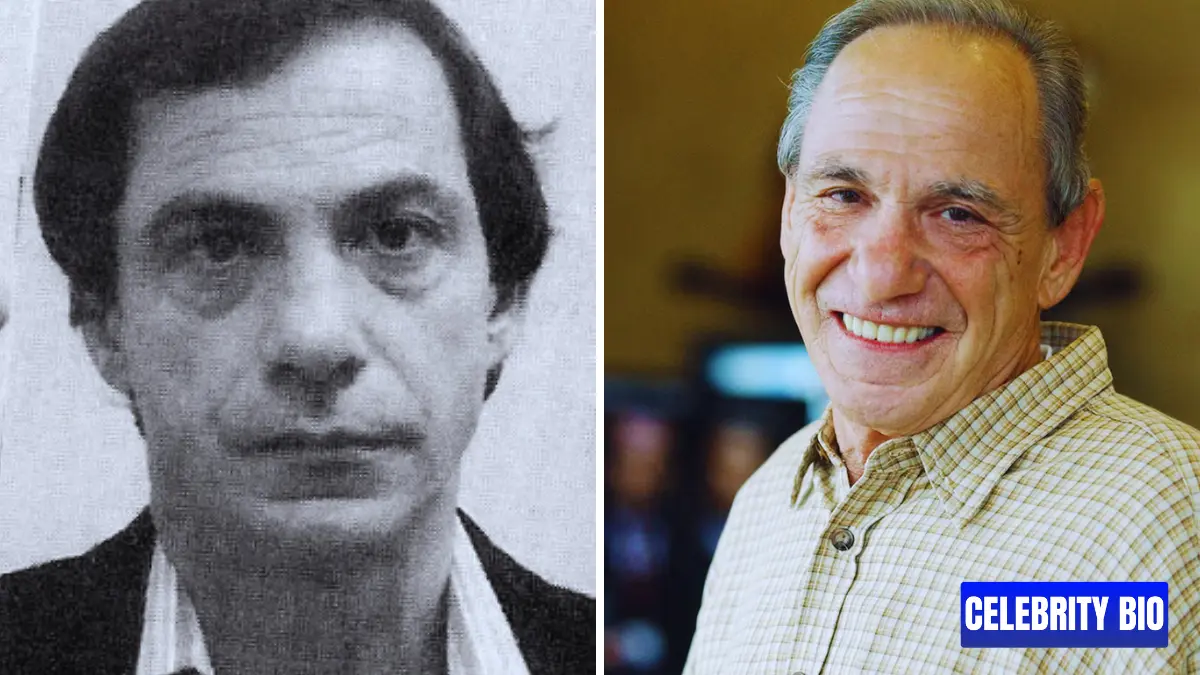
Henry Hill remains one of the most infamous figures in the history of organized crime. Known for his deep connections to the Lucchese crime family, Hill’s life has fascinated both the public and law enforcement for decades. From his early years in Brooklyn to his rise in the mafia underworld, Hill’s story is one of ambition, betrayal, and survival. His firsthand accounts, later immortalized in Nicholas Pileggi’s book Wiseguy and Martin Scorsese’s cinematic masterpiece Goodfellas, provide a rare and revealing glimpse into the operations of organized crime.
Despite his criminal activities, Hill’s story is more than a tale of crime; it’s a human narrative of choices, consequences, and the constant tension between loyalty and self-preservation. This article explores the life of Henry Hill, his criminal exploits, the legacy he left behind, and the lessons his story continues to offer.
Early Life of Henry Hill
Henry Hill was born on June 11, 1943, in Brooklyn, New York, into a working-class Irish-Italian family. Growing up in the neighborhood of Williamsburg, Hill was exposed to the local mob culture from a young age. His fascination with gangsters and street life began early, inspired by figures like Paul Vario, a prominent member of the Lucchese crime family. Hill quickly realized that the world of organized crime offered both excitement and financial opportunity, far beyond the limitations of his family’s modest circumstances.
From running errands to joining small-time cons, Hill’s teenage years were marked by early exposure to criminal activity. His charm, intelligence, and fearless personality allowed him to gain the trust of more experienced mobsters. These formative years laid the foundation for what would become a life deeply entangled with crime, risk, and intrigue.
Entry into Organized Crime
Henry Hill officially entered the world of organized crime in his late teens. He became a trusted associate of the Lucchese family, working closely with high-ranking members such as Paul Vario and Jimmy Burke. Although Hill was never a “made man” due to his partial Irish ancestry, his influence and access to the family’s operations were significant.
Hill’s responsibilities ranged from loan sharking to robbery and extortion. His ability to navigate the complex web of mafia rules, combined with his street smarts, made him an invaluable asset. His early success in these ventures demonstrated his adaptability and strategic thinking, traits that would define his criminal career.
Major Crimes and Notorious Heists
Henry Hill was involved in several high-profile criminal operations, but perhaps the most infamous was the Lufthansa Heist of 1978. This meticulously planned robbery at John F. Kennedy International Airport resulted in an estimated $5 million in cash and nearly $1 million in jewelry—equivalent to over $25 million today. Hill and his associates executed the heist with precision, and the operation remains one of the largest cash thefts in U.S. history.
While the Lufthansa Heist brought notoriety and wealth, it also attracted intense law enforcement scrutiny. The fallout from the heist—including multiple unsolved murders of participants—highlighted the dangerous volatility of mafia life. Hill’s role in such operations cemented his reputation as both daring and ruthless, although it ultimately contributed to his eventual downfall.
Hill’s Role in the Lucchese Crime Family
Although Henry Hill was a non-Italian associate, his impact on the Lucchese crime family was significant. He acted as a key liaison between various criminal enterprises, including gambling, narcotics, and extortion. Hill’s ability to orchestrate complex schemes and maintain loyalty among associates allowed him to thrive in a hierarchical and often brutal organization.
His proximity to influential mob figures gave Hill insider access to both financial opportunities and violent disputes. While many associates fell victim to mafia reprisals, Hill’s strategic decisions—though morally ambiguous—helped him survive longer than most of his contemporaries.
Personal Life and Challenges

Despite his criminal lifestyle, Henry Hill maintained a personal life that was both complex and turbulent. He married Karen Friedman, with whom he had children, but the pressures of criminal involvement created constant tension. Hill’s struggle to balance family responsibilities with loyalty to the mob added a deeply human dimension to his story.
Substance abuse was another significant challenge. Hill’s use of drugs, particularly cocaine and heroin, complicated his professional and personal life. His addiction contributed to reckless decisions that eventually caught the attention of law enforcement. These struggles underscore that, beyond his criminal reputation, Hill’s life was marked by profound personal challenges.
Arrest and Conviction
By the early 1980s, law enforcement had gathered enough evidence to bring Henry Hill to trial. He faced multiple charges, including drug trafficking, conspiracy, and armed robbery. Hill’s arrest marked a turning point, signaling that his time in organized crime was nearing its end.
In a move that shocked many of his associates, Hill chose to cooperate with federal authorities, entering the Witness Protection Program. His testimony against former partners led to numerous convictions and further cemented his legacy as both a participant in and exposer of organized crime.
Witness Protection and Life After Crime
After testifying, Henry Hill was placed in the federal Witness Protection Program, requiring him to assume a new identity. Despite efforts to start anew, Hill’s past continued to follow him. He faced numerous challenges adapting to a life outside the criminal underworld, including financial instability and ongoing media attention.
Hill eventually embraced his notoriety, participating in interviews, documentaries, and promotional appearances related to Goodfellas and his autobiography. While some criticized him for profiting from his criminal past, others viewed his candid storytelling as a rare insight into mafia operations.
Cultural Impact of Henry Hill
Henry Hill’s life inspired some of the most iconic portrayals of organized crime in popular culture. Nicholas Pileggi’s Wiseguy, later adapted by Martin Scorsese into Goodfellas, brought Hill’s story to international audiences. The film highlighted not only the glamour of mob life but also its violence, betrayal, and moral ambiguity.
Hill’s candid interviews and media presence contributed to a nuanced public perception. He became a symbol of the allure and danger of organized crime, offering lessons about human ambition, the consequences of criminality, and the complexity of loyalty.
Lessons from Henry Hill’s Life
While Henry Hill’s story is filled with crime and controversy, it also offers broader lessons. His life underscores the consequences of choosing a path of illegality, the dangers of addiction, and the fragility of loyalty in high-stakes environments.
At the same time, Hill’s survival, intelligence, and eventual cooperation with authorities demonstrate the power of adaptability and strategic thinking. His life reminds us that human decisions—whether ethical or otherwise—have profound, often irreversible consequences.
Legacy and Death
Henry Hill passed away on June 12, 2012, leaving behind a complicated legacy. He is remembered both as a notorious criminal and a valuable historical figure whose testimony provided insight into the inner workings of the mafia. Hill’s life continues to captivate audiences, scholars, and true crime enthusiasts.
Though controversial, his legacy also serves as a cautionary tale, illustrating how ambition, charisma, and risk-taking can lead to both fame and downfall. Hill’s narrative ensures that he remains a central figure in discussions of organized crime for generations to come.
Henry Hill’s Influence on True Crime Media
Henry Hill’s story helped define the modern true crime genre. Books, documentaries, and films inspired by his life continue to shape public understanding of the mafia and criminal psychology. His firsthand accounts provide a level of detail rarely seen, making him a unique source for researchers and storytellers alike.
By bridging the gap between reality and dramatization, Hill influenced not only media portrayals of crime but also broader cultural perceptions. He remains a benchmark for authenticity in true crime storytelling, demonstrating how lived experience can inform both education and entertainment.
Frequently Asked Questions About Henry Hill
Who was Henry Hill?
Henry Hill was a Brooklyn-born mobster and associate of the Lucchese crime family, known for his involvement in organized crime and his later cooperation with law enforcement.
What was Henry Hill’s most famous crime?
Hill is best known for the 1978 Lufthansa Heist at JFK Airport, one of the largest cash thefts in U.S. history.
Did Henry Hill go to prison?
Yes, Hill was arrested for multiple criminal activities but later entered the Witness Protection Program and cooperated with authorities.
How did Henry Hill die?
Henry Hill passed away on June 12, 2012, from complications related to health issues, having lived several years outside organized crime.
Is Henry Hill portrayed in any movies?
Yes, Hill’s life inspired the book Wiseguy, which was adapted into Martin Scorsese’s acclaimed film Goodfellas.
Conclusion
Henry Hill’s life is a compelling blend of ambition, crime, and survival. From his early days in Brooklyn to his involvement in high-profile heists and eventual cooperation with law enforcement, Hill’s story reveals both the allure and the dangers of the mafia world. His cultural impact, immortalized in books and films, continues to educate and captivate audiences worldwide.
Ultimately, Henry Hill’s legacy is more than his crimes—it is a narrative about human choices, loyalty, and the costs of a life lived outside the law. His story remains a timeless cautionary tale and a remarkable historical account of one of America’s most notorious mobsters.
You may also read: Celebrity Bio

