

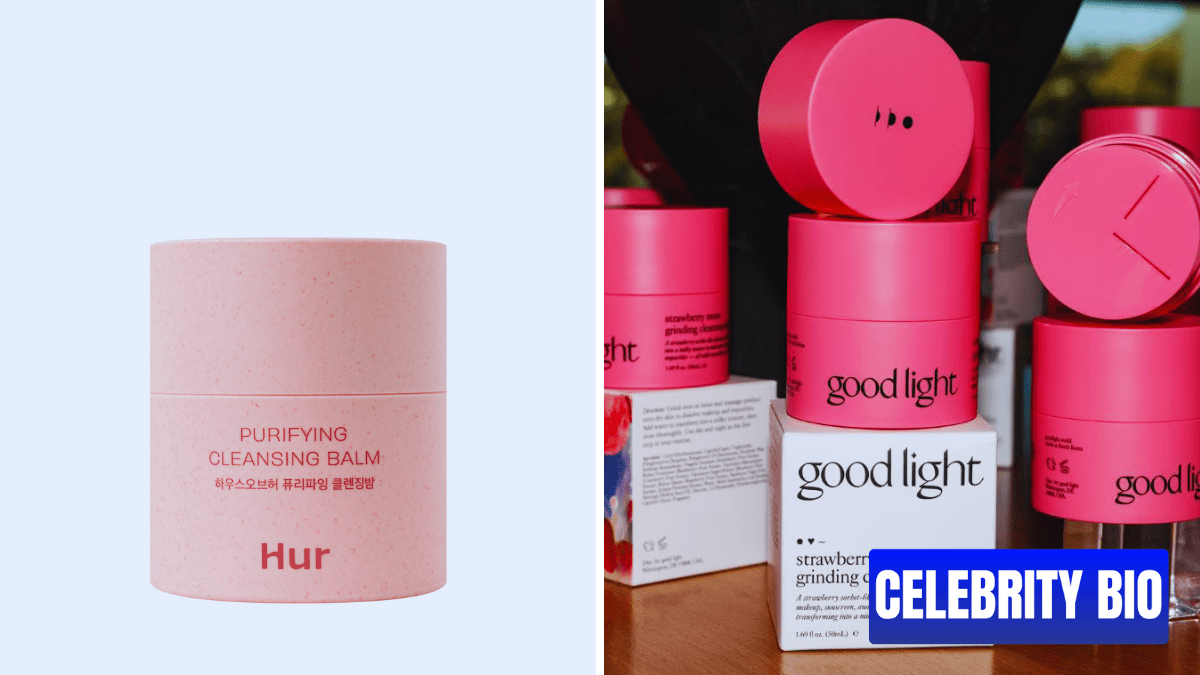
A cleansing balm has become one of the most transformative additions to modern skincare routines, especially among beauty lovers across the United Kingdom who want gentleness without compromising effectiveness. Over the past few years, balms have moved from niche products to mainstream essentials, and once you try one, it’s easy to see why. In an era of heavy makeup, SPF layering, pollution exposure, and increasingly sensitive skin, cleansing balms offer a luxurious yet practical solution that brings comfort, nourishment, and deep clarity to the complexion.
This guide dives into everything you need to know — how a cleansing balm works, who it’s for, how to use it properly, what benefits you can expect, and the trends shaping its growing popularity. If you’ve ever wondered whether a balm can replace your makeup remover, simplify your routine, strengthen your skin barrier, or even work for oily skin, you’ll find detailed answers here. By the end, you’ll feel confident knowing exactly how to choose the right balm and how to get the most out of it.
What Is a Cleansing Balm and Why Are People Switching to It?
A cleansing balm is a solid or semi-solid oil-based cleanser designed to break down makeup, SPF, dirt, and excess sebum without stripping the skin. Unlike foaming cleansers, which can disrupt the lipid barrier, balms melt on contact with the skin and dissolve impurities gently but effectively.
What makes them stand out is their combination of sensory enjoyment and real skincare performance. When massaged into the face, the balm transforms into a silky oil that lifts away every trace of product — including waterproof mascara, long-wear foundation, and high-protection sunscreens. With just warm water, the formula emulsifies into a milky texture that rinses clean. No rubbing, no tugging, no tight feeling afterwards.
For many people in the UK, where colder months bring dryness, sensitivity, and compromised barriers, balms offer relief that gel or foam cleansers sometimes lack. They are suitable for every skin type — dry, oily, combination, sensitive — and can even help repair long-term dehydration caused by harsh cleansing habits.
How a Cleansing Balm Works: The Science Behind the Melt
The secret lies in the principle “like dissolves like.” Oil-based formulas are uniquely effective at binding with oil-based impurities. Heavy makeup pigments, waterproof formulas, sunscreen ingredients, and sebum all break down more easily when dissolved by oils rather than water-based cleansers.
Here are the core components that make cleansing balms work so well:
Typical Ingredients
- Plant Oils (jojoba, almond, sunflower): Nourish and soften skin
- Butters (shea, cocoa): Add richness and protective benefits
- Emulsifiers: Allow the balm to rinse off easily
- Antioxidants: Help protect against environmental damage
- Botanical extracts: Provide soothing or balancing benefits
Balms work without disrupting the acid mantle, one of the skin’s natural defenses, making them perfect for people who want a deeper cleanse that still preserves hydration.
Why Cleansing Balm Is Better Than Makeup Wipes or Harsh Cleansers
Makeup wipes were once the go-to option for quick removal, but they can tug at the skin, cause micro-tears, and leave behind residue. Meanwhile, some gel or foam cleansers strip moisture, leaving the skin unbalanced.
Cleansing balm, however, offers several advantages:
Benefits Over Traditional Cleansers
- More effective at breaking down long-wear makeup
- Gentler for sensitive or ageing skin
- Non-stripping, preserving the skin’s natural oils
- Hydrating, thanks to nourishing butters and oils
- Smoother removal with no friction or irritation
For this reason, dermatologists and makeup artists increasingly recommend balms as part of a long-term healthy cleansing routine.
How to Use a Cleansing Balm: Step-by-Step for Perfect Results
Using a cleansing balm is simple, but technique matters. Many people apply too little product or rinse too quickly, missing out on its deeper benefits.
Follow this step-by-step method:
1. Apply to dry skin
Scoop a small amount of balm into clean hands. Warm it between your fingertips until it melts, then massage onto dry skin. This ensures maximum makeup breakdown.
2. Massage for 30–60 seconds
Use circular motions across the forehead, cheeks, chin, and nose. This helps stimulate circulation and soften debris for easier removal.
3. Emulsify with warm water
Add a splash of water to turn the oily texture into a milky cleanser. Continue massaging for another 10 seconds.
4. Rinse thoroughly or remove with a soft cloth
You can rinse with water or use a damp cotton cloth for extra exfoliation. Avoid scrubbing — gentle pressure is enough.
5. Follow with a second cleanse (optional)
If you wear heavy makeup or sunscreen, double cleansing is recommended. The balm removes oil-based impurities; the second cleanser removes water-based ones.
This technique gives a professional-level cleanse without irritation.
Who Should Use a Cleansing Balm? (Hint: Almost Everyone)
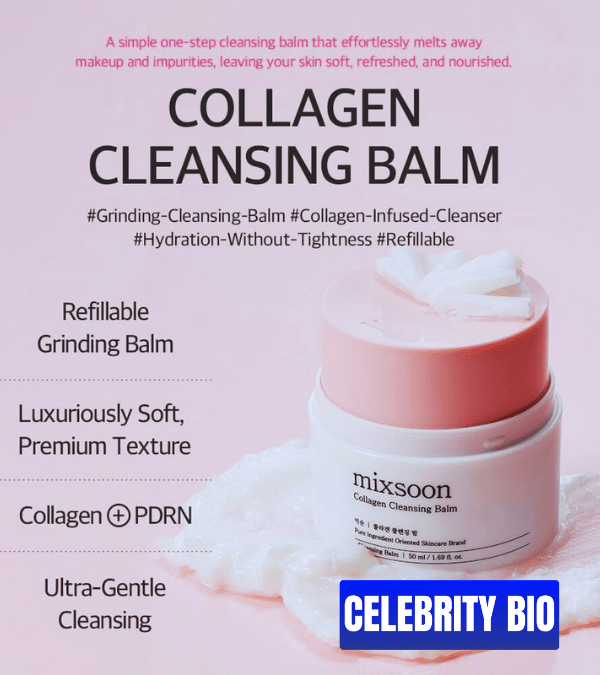
One common misconception is that cleansing balms are only for dry or mature skin. In reality, nearly every skin type benefits from an oil-based first cleanse. The difference lies in the formula you choose.
Dry Skin
Rich balms with shea, cocoa butter, or avocado oil provide nourishment and prevent tightness.
Oily or Acne-Prone Skin
Lightweight balms with non-comedogenic oils like grapeseed or jojoba prevent congestion while regulating oil production.
Sensitive Skin
Fragrance-free formulas with soothing botanicals reduce redness and irritation.
Mature Skin
Balms restore suppleness, elasticity, and comfort, especially during winter.
Combination Skin
A balanced formula can help prevent dehydration in dry zones while keeping oilier areas calm.
The only group who should proceed with caution are those with active fungal acne (malassezia folliculitis), as certain oils can trigger flare-ups — though plenty of fungal-acne-safe balms now exist.
The Rise of Cleansing Balms in the UK: Trends, Influencers, and Consumer Shifts
Cleansing balm have gone from niche to essential thanks to three major shifts in the UK beauty landscape:
1. The Rise of Double Cleansing
Popularised by Korean skincare, double cleansing became mainstream around 2020. Balms became the preferred first step due to their efficiency and comfort.
2. A Move Towards Barrier-Friendly Products
British consumers increasingly seek products that protect rather than strip the skin — especially after increased mask-wearing and winter dryness.
3. Beauty Influencers and TikTok Trends
Videos demonstrating the “melt effect” of balms on waterproof makeup have gone viral, converting thousands of users practically overnight.
Today, cleansing balms are no longer viewed as luxury extras — they are core steps in effective skincare.
How to Choose the Best Cleansing Balm for Your Skin Needs
Choosing a cleansing balm can be overwhelming, particularly with the number of options available in UK shops. Here’s what to consider:
1. Your Skin Type
Look for keywords: “lightweight” for oily skin, “nourishing” for dry skin, “gentle” or “calming” for sensitive skin.
2. Texture Preference
Balms range from buttery and rich to gel-balm hybrids. Thicker textures provide more moisture; lighter ones rinse quickly.
3. Fragrance Sensitivity
Fragrance-free versions are best for reactive skin, while naturally scented balms can enhance the self-care experience for others.
4. Ingredients
Avoid mineral oil if you prefer plant-based formulas. Opt for antioxidant-rich options for environmental protection.
5. Packaging
Balms in pots are easy to use, while tube versions are more hygienic and convenient for travel.
Cleansing Balm Mistakes to Avoid
Many people make small mistakes that reduce the effectiveness of a cleansing balm. Avoid these common errors:
Common Mistakes
- Using wet hands before applying the balm
- Not massaging long enough to break down makeup
- Using too little product for heavy sunscreen
- Skipping a second cleanse when wearing full glam
- Rubbing too hard instead of letting the balm do the work
Correcting these habits will dramatically improve results.
Benefits You Can Expect After Consistent Use
Regular use of a cleansing balm can lead to noticeable improvements in skin health:
Visible Benefits
- Softer, smoother texture
- Reduced dryness and flakiness
- Fewer breakouts caused by clogged pores
- Stronger, healthier skin barrier
- Brighter complexion due to improved circulation
- Better absorption of serums and moisturisers
Many people find that using a balm is the turning point that helps their skin finally stabilize.
Cleansing Balm FAQs
Can cleansing balm replace my makeup remover?
Yes. A cleansing balm removes waterproof makeup, SPF, and long-wear formulas more effectively than wipes or micellar water.
Is it suitable for oily skin?
Absolutely. Oil dissolves oil, and non-comedogenic balms help regulate sebum without clogging pores.
Do I still need a second cleanser?
If you wear makeup or SPF daily, double cleansing is recommended. If not, a single cleanse may be enough.
Will a cleansing balm cause breakouts?
Not if you use the right formula for your skin type. Lightweight oils like grapeseed or jojoba are ideal for breakout-prone skin.
Should I use a cleansing cloth?
It’s optional. A cloth adds gentle exfoliation, but rinsing with water works too.
Conclusion: Why Cleansing Balm Deserves a Place in Your Routine
A cleansing balm is more than a makeup remover — it’s a skincare treatment that supports barrier health, enhances hydration, and improves the effectiveness of every product that follows. Whether you’re dealing with dryness, dullness, clogged pores, or sensitivity, a balm can transform your cleansing routine from something basic into something deeply restorative.
If you want cleaner pores, smoother skin, and a more luxurious cleansing experience, now is the perfect time to make the switch. Explore different textures, test what feels best on your skin, and enjoy the comfort and clarity a cleansing balm brings to daily skincare.
You may also read: Celebrity Bio

