

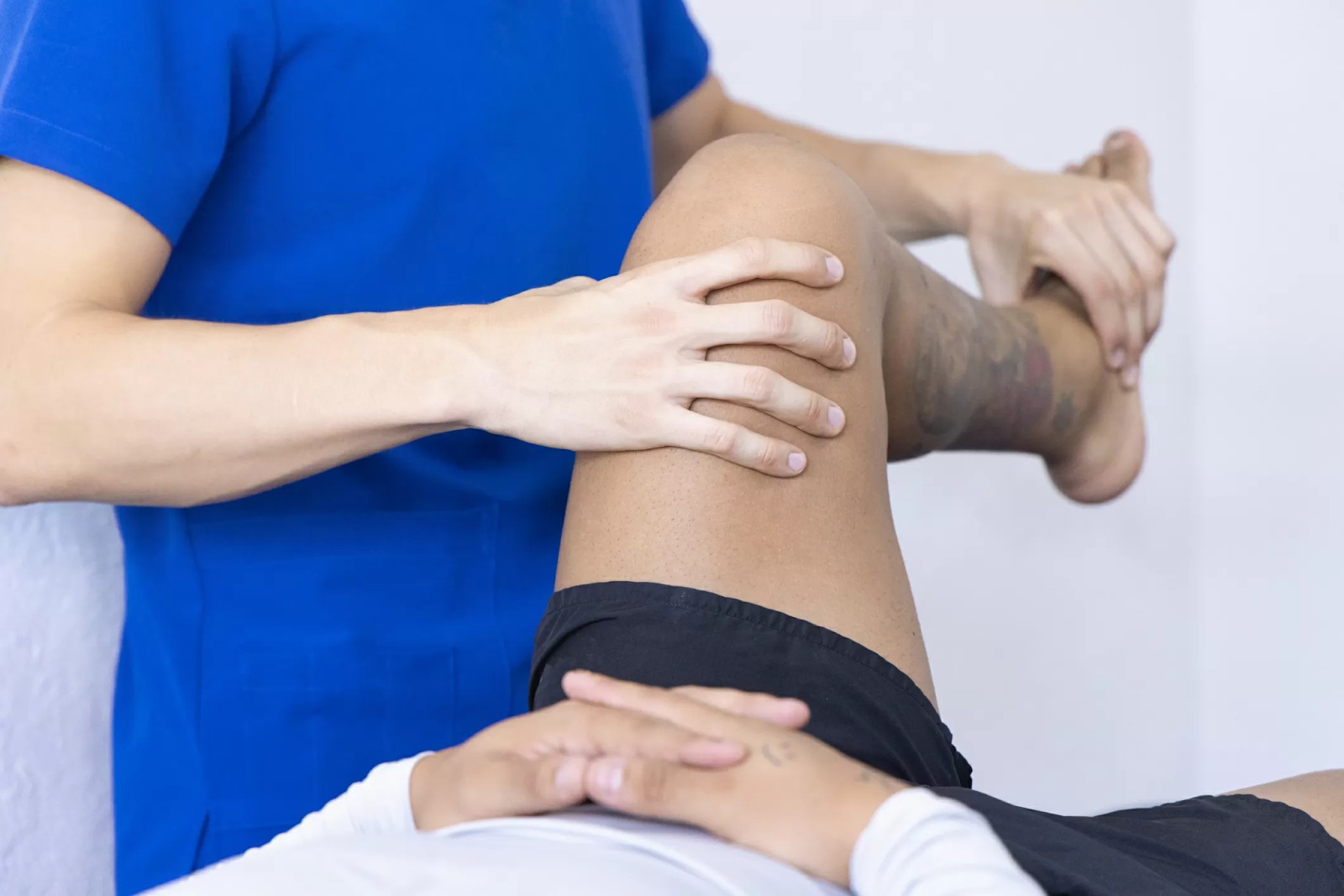
A partial knee replacement is a surgical procedure where only the damaged compartment of the knee is replaced with an artificial implant, leaving the healthy bone and cartilage intact. It is typically recommended when arthritis or injury affects only one side of the knee. The procedure preserves more of the natural joint, which often results in quicker recovery and better knee movement. Patients generally experience less postoperative pain compared to a total knee replacement. This procedure is often referred to as Partial Knee Replacement (PKR) or Partial Knee Arthroplasty or Microplasty, describing surgical techniques that replace only the affected knee compartment while preserving healthy tissue.
Who Qualifies As A Good Candidate For This Procedure
Ideal candidates usually have damage limited to a single knee compartment, stable ligaments, and good overall knee alignment. Individuals with early to moderate arthritis affecting only one side often benefit the most. Patients with severe deformities, widespread arthritis, or ligament instability may not qualify. Doctors evaluate symptoms, imaging results, and physical function before recommending surgery.
Pre-Surgery Evaluations And Preparations
Before undergoing surgery, patients complete a thorough evaluation that includes X-rays, MRI scans, and blood tests. These assessments help doctors confirm the exact location of damage and plan the surgical approach. Pre-surgery preparation may involve strengthening exercises, medication adjustments, and lifestyle changes such as quitting smoking. Patients are advised to arrange support at home for the first few days after surgery.
How The Partial Knee Replacement Procedure Is Performed
During surgery, the damaged cartilage and bone from the affected compartment are removed and replaced with a metal and plastic implant. Surgeons use minimally invasive incisions whenever possible, which helps preserve healthy tissue and reduce recovery time. The procedure typically lasts one to two hours. Advanced surgical tools allow for precise implant placement, improving joint stability and mobility. Most patients can begin gentle movement shortly after surgery, depending on the surgeon’s guidance.
Benefits Compared To Total Knee Replacement
Partial knee replacement offers several advantages for eligible patients.
Key benefits include:
- Faster recovery
- Smaller incision and less tissue damage
- More natural knee movement
- Less postoperative pain
Because only part of the knee is replaced, patients often regain mobility sooner and experience improved function in daily activities. Many individuals report that the joint feels more natural compared to a full replacement.
Immediate Post-Surgery Care In The Hospital
After surgery, patients are monitored for pain, swelling, and early mobility. Most individuals begin standing or walking with assistance on the same day or within 24 hours. Pain management typically includes medications and cold therapy. Nurses and physiotherapists guide patients through safe movements to prevent stiffness. Hospital stays are usually shorter than for total knee replacement, often lasting one to two days.
Managing Pain And Swelling In The First Few Weeks
The first few weeks focus on controlling swelling, improving knee motion, and managing discomfort. Patients are advised to use ice, elevate the leg, and follow prescribed medications. Swelling may fluctuate during activity but gradually improves. Gentle exercises are introduced to strengthen surrounding muscles and improve flexibility. Avoiding high-impact activities helps protect the knee during healing. Most patients notice significant improvement within four to six weeks.
Physiotherapy And Rehabilitation Milestones
Physiotherapy is essential for restoring strength, balance, and range of motion. Early sessions focus on basic movements such as bending, straightening, and walking with support. As healing progresses, therapists introduce strengthening exercises for the quadriceps, hamstrings, and hip muscles. Balance training and gait correction are incorporated to improve stability. Most patients achieve major rehabilitation milestones between six and twelve weeks.
When Can You Return To Daily Activities And Work
Most patients resume everyday activities such as walking, light household tasks, and driving within four to six weeks. Return to work depends on job type. Desk-based work can often resume earlier, while physically demanding jobs may require a longer recovery period. Low-impact activities such as cycling and swimming are usually encouraged after healing progresses. High-impact sports are generally avoided to protect the implant and preserve joint function.
Long-Term Recovery Expectations And Outcomes
Long-term recovery involves strengthening, maintaining flexibility, and protecting the knee from excessive strain. Many patients enjoy improved mobility and reduced pain for years after surgery. Regular follow-ups help monitor implant condition and knee health. Longevity of the implant depends on activity level, weight management, and rehabilitation habits.
Tips To Maintain Knee Health After Surgery
Maintaining knee health supports long-term recovery.
Some strategies include:
- Maintaining a healthy weight
- Regular low-impact exercise
- Avoiding sudden twisting movements
- Using supportive footwear
Strength training for leg muscles also helps stabilize the joint. Patients are encouraged to follow periodic physiotherapy check-ins to ensure proper movement patterns. Long-term care plays an important role in protecting the implant and preventing future knee problems.

