

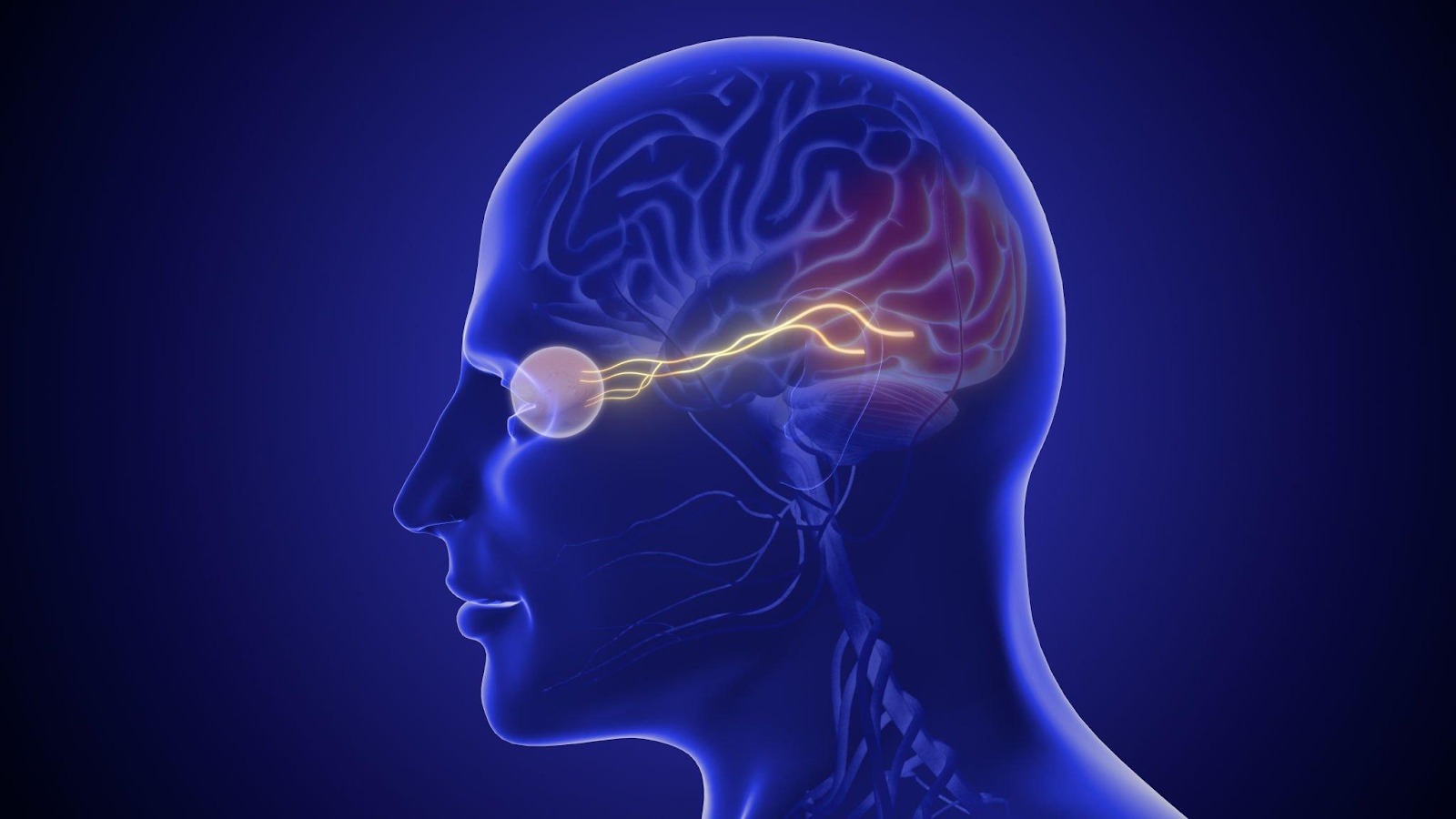
Vision problems are not always caused by issues within the eyes alone. In some cases, changes in vision may be linked to the brain, optic nerves, or nervous system. This is where a neuro ophthalmologist plays an important role.
A neuro ophthalmologist is a medical specialist trained to diagnose and manage vision problems related to neurological conditions. Understanding who they are and when to consult one can help ensure timely diagnosis and appropriate care.
Who Is a Neuro Ophthalmologist?
A neuro ophthalmologist is a physician who specializes in visual disorders connected to the nervous system. This field combines knowledge of:
- Ophthalmology (eye care)
- Neurology (brain and nervous system)
These specialists undergo advanced training beyond standard eye care, enabling them to evaluate complex visual symptoms that cannot be explained by routine eye exams alone.
What Does a Neuro Ophthalmologist Treat?
Neuro ophthalmologists focus on conditions that affect how the eyes and brain communicate. These conditions often involve the optic nerve, eye movement pathways, or visual processing centers in the brain.
Common Conditions Managed
- Optic neuritis
- Unexplained vision loss
- Double vision (diplopia)
- Visual field defects
- Drooping eyelids related to nerve issues
- Abnormal eye movements
- Vision problems linked to brain tumors, stroke, or multiple sclerosis
These conditions normally require a detailed neurological evaluation in addition to eye examination.
How Neuro Ophthalmology Is Different from General Eye Care
Focus Beyond the Eye
While general ophthalmologists treat conditions such as cataracts, glaucoma, or refractive errors, neuro ophthalmologists investigate problems where the eye appears normal but vision is still affected.
Emphasis on Neurological Causes
Neuro ophthalmologists assess whether vision issues originate from:
- The optic nerve
- Brain pathways
- Neuromuscular control of eye movements
This distinction is essential for accurate diagnosis and management.
Signs and Symptoms That May Require a Neuro Ophthalmologist
Sudden or Unexplained Vision Loss
Any sudden change in vision without an obvious eye-related cause should be evaluated promptly, especially if it affects one eye or part of the visual field.
Persistent Double Vision
Double vision that does not improve with blinking or refocusing may indicate nerve or muscle coordination issues.
Visual Field Changes
Difficulty seeing objects on one side, tunnel vision, or blind spots may be linked to brain or optic nerve conditions.
Eye Pain with Vision Changes
Pain during eye movement combined with vision loss may suggest inflammation of the optic nerve.
Drooping Eyelids or Abnormal Eye Movements
These signs may point to nerve-related muscle weakness or neurological disorders.
Conditions That Normally Lead to Referral to a Neuro Ophthalmologist
Optic Nerve Disorders
Conditions affecting the optic nerve can disrupt visual signals between the eye and brain. These disorders may cause blurred vision, reduced color perception, or vision loss.
Brain-Related Visual Issues
Tumors, strokes, or increased intracranial pressure can affect visual pathways, leading to complex symptoms that require specialized evaluation.
Neuromuscular Disorders
Conditions affecting the nerves or muscles controlling eye movement may cause misalignment, drooping eyelids, or fatigue-related vision problems.
What Happens During a Neuro Ophthalmology Evaluation?
Detailed Medical History
The specialist reviews symptoms, onset, progression, and any associated neurological signs such as headaches, weakness, or numbness.
Comprehensive Vision Testing
Tests may include:
- Visual acuity assessment
- Color vision testing
- Visual field analysis
- Eye movement evaluation
Neurological Assessment
Based on findings, further neurological tests or imaging studies may be recommended to identify underlying causes.
Importance of Early Evaluation
Many neuro-ophthalmic conditions are linked to systemic or neurological diseases. Early identification helps:
- Prevent further vision loss
- Detect serious underlying conditions
- Guide appropriate medical or neurological treatment
Delaying evaluation may allow conditions to progress unnoticed.
When Should You Ask for a Referral?
You may consider requesting a referral to a neuro-ophthalmologist if:
- Vision problems persist despite normal eye exams
- Symptoms involve both vision and neurological changes
- Multiple specialists have not identified a clear cause
In cities such as Chandigarh, patients experiencing complex vision symptoms are often referred for advanced evaluation. Consulting the best neuro ophthalmologist in Chandigarh can help clarify whether vision changes are related to neurological pathways rather than primary eye disease.
How Neuro Ophthalmologists Work with Other Specialists
Neuro ophthalmologists often collaborate with:
- Neurologists
- Neurosurgeons
- Endocrinologists
- Primary care physicians
This team-based approach ensures that both vision and underlying neurological conditions are managed appropriately.
FAQs
Is a neuro ophthalmologist the same as a neurologist?
No. A neuro ophthalmologist is trained in both eye care and neurology, focusing specifically on vision problems related to the nervous system.
Do I need a referral to see a neuro-ophthalmologist?
In many cases, yes. Referrals often come from ophthalmologists, neurologists, or primary care physicians after initial evaluation.
Can neuro ophthalmologists perform surgery?
They primarily focus on diagnosis and medical management. Surgical care, if needed, is usually handled by other specialists.
Are all vision problems neurological?
No. Many vision problems are purely eye-related. Neuro ophthalmologists are consulted when symptoms suggest a brain or nerve connection.
How urgent are neuro-ophthalmic symptoms?
Sudden vision loss, double vision, or visual field defects should be evaluated promptly, as they may indicate serious conditions.
Conclusion
A neuro ophthalmologist specializes in diagnosing and managing vision problems linked to the brain and nervous system. When visual symptoms cannot be explained by routine eye conditions, this specialized expertise becomes essential.
Recognizing warning signs such as unexplained vision loss, persistent double vision, or visual field changes can lead to timely referral and appropriate care. With early evaluation and coordinated treatment, many neuro ophthalmic conditions can be effectively managed, protecting both vision and overall neurological health.

