

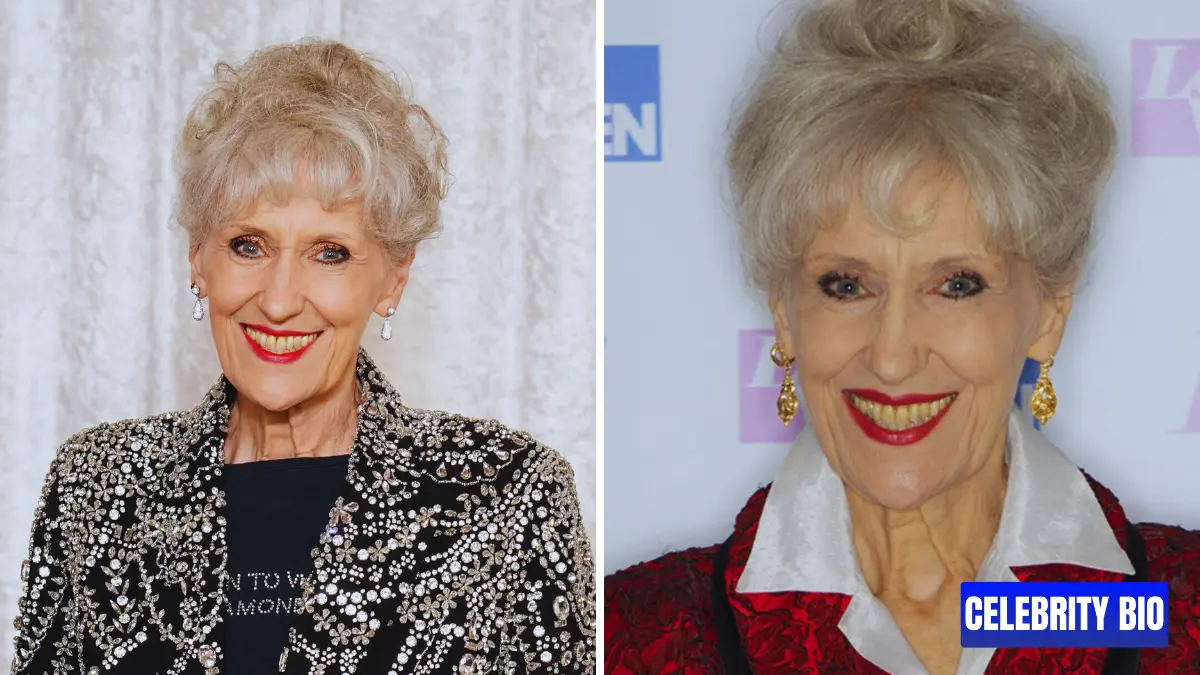
Few British performers have managed to leave a mark on popular culture as deep and lasting as Anita Dobson. Best known to millions as the fiery Angie Watts in EastEnders, her influence stretches far beyond one role or one era of television. Within the first decade of her career, Anita Dobson became a household name, yet her journey did not stop at mainstream fame. Instead, she quietly evolved into one of Britain’s most respected stage actresses, while also navigating the complexities of public life, marriage to a rock legend, and reinvention in an industry known for its short memory.
This article explores Anita Dobson in full depth—her early struggles, meteoric rise, lesser-known career decisions, cultural impact, and enduring legacy. Rather than repeating familiar headlines, it looks at the turning points and choices that shaped her reputation. Whether you remember her from EastEnders, the West End, or her more recent television appearances, this is a comprehensive, authoritative look at why Anita Dobson remains relevant decades after her first breakthrough.
Early Life and Formative Years
Anita Dobson was born in London in 1949, growing up in an environment far removed from fame or privilege. Her early life was shaped by instability, including time spent in foster care, an experience she has spoken about candidly in later years. These formative experiences would later inform the emotional intensity she brought to her performances, giving her work a raw authenticity that audiences instinctively recognised.
From a young age, Dobson showed a fascination with performance. She trained at drama school during a period when opportunities for working-class actresses were limited and fiercely competitive. Unlike many of her contemporaries, she did not arrive in the industry with instant success. Instead, she built resilience through rejection, touring theatre work, and minor television roles that taught her discipline and adaptability.
This background explains why, when success finally came, it felt earned rather than manufactured.
Breakthrough Role: Angie Watts in EastEnders
The defining moment in Anita Dobson’s career arrived in 1985 with the launch of EastEnders. Cast as Angie Watts, the volatile, charismatic landlady of the Queen Vic, Dobson became the emotional centre of the show almost overnight. Angie was complex—funny, manipulative, vulnerable, and deeply human—and Dobson’s portrayal transformed what could have been a stereotype into one of British television’s most memorable characters.
Her performance during the infamous Christmas Day episode, where Angie served divorce papers to Den Watts, is still cited as one of the most-watched moments in UK television history. More importantly, it demonstrated Dobson’s ability to balance melodrama with emotional truth, setting a benchmark for soap acting that still influences the genre today.
Rather than being trapped by the role, Dobson made the bold decision to leave EastEnders at the height of her popularity. This move, risky at the time, ultimately protected her long-term credibility as an actress.
Navigating Fame and Public Scrutiny
Sudden fame in the mid-1980s came with intense media attention. Anita Dobson found herself scrutinised not only for her work but for her personal life, appearance, and choices. Unlike many celebrities of the era, she resisted becoming a tabloid fixture, choosing instead to retreat from constant exposure.
This decision shaped public perception in subtle ways. While some saw her as stepping away from success, others began to view her as serious, selective, and principled. In hindsight, this period of relative withdrawal helped her avoid typecasting and burnout, allowing her to return on her own terms rather than chasing relevance.
Dobson’s approach offers an early example of what is now considered “career sustainability” in entertainment—a concept far ahead of its time.
Theatre Work and Artistic Reinvention
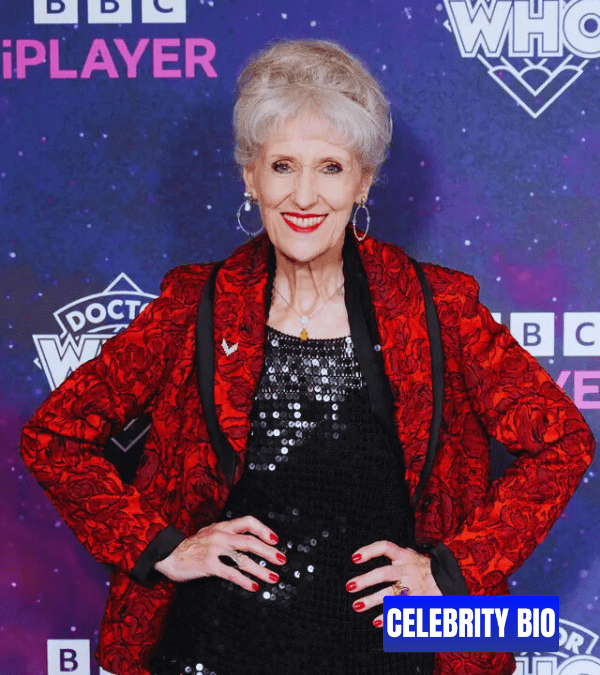
Away from television, Anita Dobson committed herself to theatre, particularly the West End. She took on demanding roles that challenged both her technical skills and emotional range, earning respect from critics who had initially dismissed her as a “soap star.”
Her stage work included classic dramas and modern productions, proving her versatility and reinforcing her reputation as a disciplined actress. Theatre, unlike television, offered anonymity from mass fame while delivering artistic fulfilment. For Dobson, it became a creative refuge and a statement of intent.
This phase of her career is often overlooked in mainstream retrospectives, yet it played a crucial role in redefining her identity within the industry.
Marriage to Brian May and Public Perception Shift
In the late 1990s, Anita Dobson married Brian May, guitarist of Queen. The relationship inevitably drew media interest, but Dobson resisted being defined solely as “the rock star’s wife.” Instead, she maintained her own professional path, balancing private life with selective public appearances.
Interestingly, this marriage led to a shift in public perception. Dobson was no longer viewed only through the lens of her EastEnders fame, but as part of a broader cultural narrative connecting television, music, and British heritage. Her ability to navigate this without losing her individuality speaks to her grounded personality and professional self-awareness.
Later Television Roles and Career Longevity
In later years, Anita Dobson returned to television in character roles that showcased maturity and depth. Appearances in dramas and comedies allowed audiences to rediscover her without the baggage of past expectations.
Rather than chasing leading roles, she embraced supporting characters that enriched storytelling. This approach extended her career and reinforced her reputation as an actress who prioritises quality over visibility. In an industry often obsessed with youth and reinvention, Dobson’s longevity stands as a testament to adaptability and professionalism.
Cultural Impact and Legacy
Anita Dobson’s cultural impact extends beyond ratings or awards. As Angie Watts, she helped shape the emotional language of British soap opera, proving that serial drama could explore vulnerability, addiction, and moral ambiguity with seriousness.
Her career also challenged industry hierarchies that once dismissed soap actors as lesser talents. By succeeding on stage and screen, Dobson helped bridge the gap between popular television and “legitimate” theatre, paving the way for future performers to move fluidly between mediums.
Today, her legacy is one of authenticity, courage, and quiet influence.
Lesser-Known Facts About Anita Dobson
To fully appreciate Anita Dobson, it helps to look beyond the headlines:
- She has spoken openly about mental health long before it became a mainstream conversation
- She deliberately avoided reality television offers to protect her privacy
- She values long-term craft development over constant exposure
- She remains selective about roles, prioritising narrative depth
These choices reveal an artist guided by values rather than trends.
Public Perception Over Time
Public attitudes toward Anita Dobson have evolved significantly. Initially seen as a soap sensation, she later earned respect as a serious actress and cultural figure. This gradual reassessment reflects broader changes in how audiences value longevity, authenticity, and restraint in celebrity culture.
Rather than fading into nostalgia, Dobson has become a reference point for how to age gracefully in the public eye.
Influence on Modern British Television
Many contemporary British actresses cite early EastEnders performances as formative viewing experiences. Dobson’s work demonstrated that emotional risk-taking could resonate with mass audiences, encouraging more nuanced storytelling in mainstream television.
Her influence is indirect but unmistakable, embedded in the DNA of modern British drama.
Frequently Asked Questions (FAQs)
Who is Anita Dobson best known for playing?
Anita Dobson is best known for portraying Angie Watts in EastEnders, one of the show’s original and most iconic characters.
Is Anita Dobson still acting?
Yes, Anita Dobson continues to act selectively, appearing in television and theatre projects that align with her artistic values.
Why did Anita Dobson leave EastEnders?
She chose to leave at the height of her fame to avoid typecasting and to pursue a broader acting career.
Is Anita Dobson married?
Yes, she is married to Brian May, guitarist of the band Queen.
What makes Anita Dobson culturally significant?
Her impact lies in redefining soap acting, influencing British television drama, and maintaining a respected career across decades.
Conclusion
Anita Dobson represents a rare kind of success—one built on talent, restraint, and long-term vision rather than constant visibility. From her unforgettable role in EastEnders to her respected stage work and enduring public respect, she has navigated fame with integrity and purpose.
Her story is not just about a career, but about choices: when to step back, when to reinvent, and when to stay true to one’s craft. For readers interested in British television history, acting longevity, or cultural legacy, Anita Dobson remains a figure worth revisiting.

