

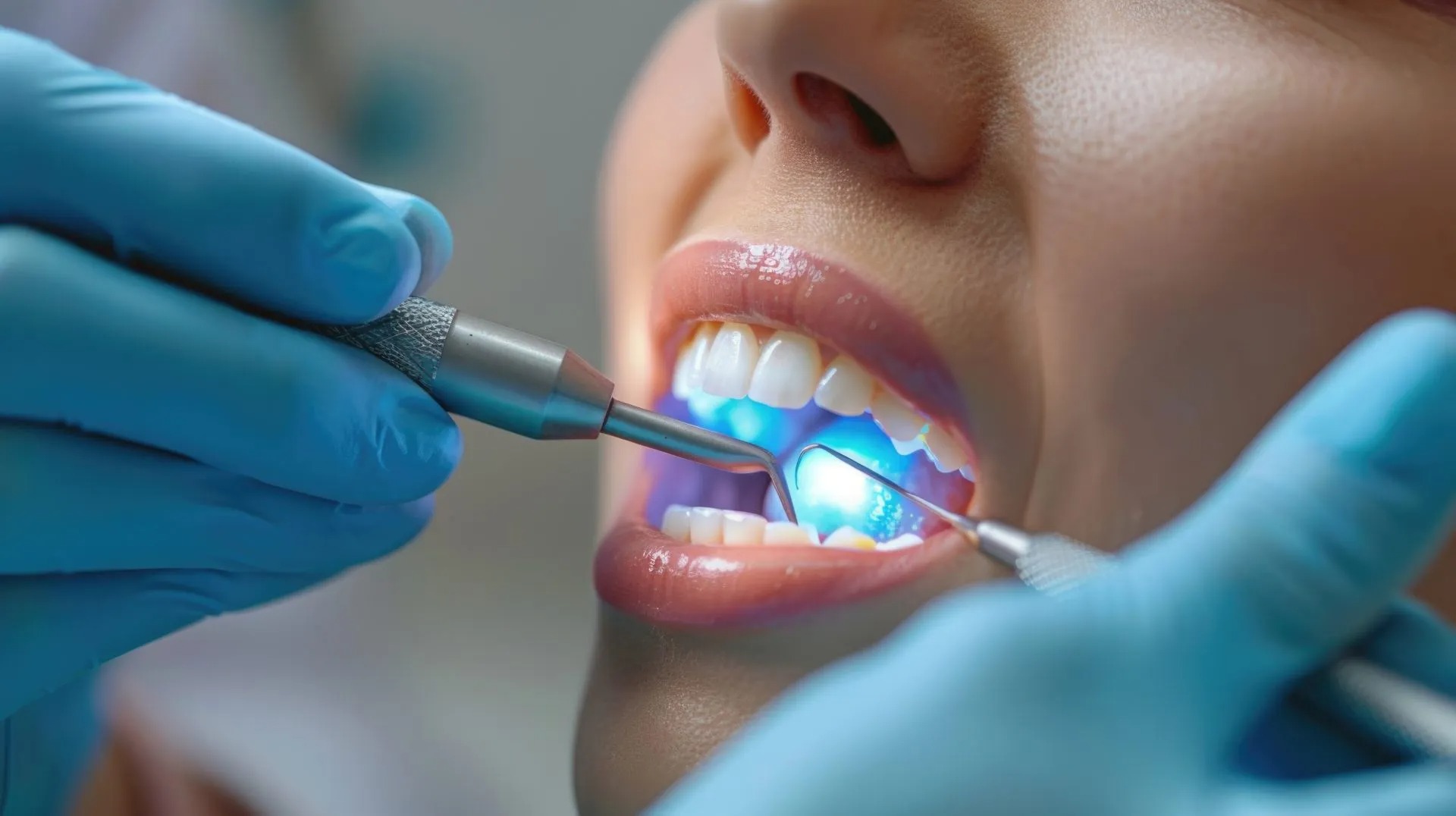
Dental pain often triggers anxiety, especially when people hear terms like “root canal” or “nerve treatment.” Many Singapore patients delay care simply because they do not fully understand what endodontics involves or why it matters. This lack of clarity can lead to worsening infections, tooth loss, and more complex treatments later on.
Endodontics focuses on diagnosing and treating problems inside the tooth, particularly those affecting the dental pulp and root canal system. Modern endodontic care emphasizes comfort, precision, and long-term tooth preservation. With today’s advanced techniques and technology, treatment is far more predictable and patient-friendly than in the past.
This guide explains what endodontics is, when it is needed, how treatment works, and what Singapore patients should expect when seeking endodontic care.
Understanding Endodontics in Modern Dentistry
Endodontics is a dental specialty dedicated to treating the inner structures of the tooth. The word comes from the Greek terms endo (inside) and odont (tooth). This field primarily addresses infections, inflammation, and injuries involving the dental pulp.
The pulp contains nerves, blood vessels, and connective tissue. While essential during tooth development, it becomes non-essential once the tooth matures. This allows dentists to remove infected pulp without compromising the tooth’s function.
In Singapore, endodontic treatment is commonly provided by general dentists for straightforward cases, while complex situations may require referral to an endodontist with specialized training.
Why Endodontics Is Important for Oral Health
Endodontic treatment plays a critical role in preserving natural teeth. Tooth extraction may seem like a faster solution, but losing a tooth can affect chewing efficiency, speech, jawbone density, and overall oral balance.
Saving a natural tooth through endodontics helps maintain proper bite alignment and reduces the need for replacements such as implants or bridges. From a long-term health and cost perspective, preserving your own tooth is often the better option.
Common Conditions Treated by Endodontics
Several dental issues require endodontic care, most of which develop gradually rather than suddenly.
Deep Tooth Decay
When decay penetrates the enamel and dentin layers, bacteria can reach the pulp. At this stage, fillings are no longer sufficient, and root canal treatment becomes necessary.
Cracked or Fractured Teeth
Cracks caused by trauma, grinding, or biting hard foods can expose the pulp to bacteria. Even hairline cracks can lead to inflammation and infection over time.
Dental Trauma
Accidents, sports injuries, or falls can damage the pulp even if the tooth appears intact. Symptoms may appear weeks or months after the injury.
Signs You May Need Endodontic Treatment
Not all pulp infections cause immediate pain, which is why regular dental check-ups in Singapore are essential. However, certain symptoms should never be ignored.
Persistent or throbbing tooth pain often signals nerve involvement. Prolonged sensitivity to hot or cold temperatures may also indicate pulp damage. Swelling in the gums near a specific tooth can suggest an underlying infection, sometimes accompanied by a bad taste or odor.
In some cases, the tooth may darken, especially after trauma. This discoloration usually reflects internal damage rather than surface staining.
How Endodontic Treatment Works
Root canal treatment is the most common endodontic procedure. It follows a structured and carefully controlled process to eliminate infection and restore tooth function.
Examination and Diagnosis
The dentist conducts a clinical examination and takes digital X-rays to assess the extent of damage. Accurate diagnosis ensures that endodontic treatment is appropriate and effective.
Cleaning the Root Canal System
After numbing the area, the dentist removes infected pulp tissue and thoroughly cleans the root canals. Advanced instruments and irrigation solutions help eliminate bacteria.
Sealing and Restoring the Tooth
Once cleaned, the canals are sealed to prevent reinfection. In most cases, a crown is placed to strengthen the tooth and protect it from fracture, especially for molars.
Modern endodontics in Singapore prioritizes precision and patient comfort, making the procedure far less intimidating than its reputation suggests.
Is Endodontic Treatment Painful?
Pain remains one of the biggest misconceptions about endodontics. In reality, root canal treatment relieves pain caused by infection rather than creating it.
Local anesthesia ensures that patients remain comfortable throughout the procedure. Post-treatment discomfort is usually mild and temporary, often manageable with over-the-counter pain relief.
Recovery and Long-Term Care
Recovery after endodontic treatment is typically straightforward. Most patients return to normal activities within a day. Dentists usually advise avoiding chewing on the treated tooth until permanent restoration is complete.
Maintaining good oral hygiene and attending regular dental check-ups supports long-term success. A properly treated and restored tooth can last for decades.
Choosing Endodontic Care in Singapore
Singapore offers high standards of dental care, with clinics equipped with modern diagnostic tools and trained professionals. When choosing a provider, patients should look for experience, clear communication, and a focus on conservative treatment.
Clinics such as Nuffield Dental emphasize patient education and evidence-based dentistry, helping individuals understand their options and make informed decisions about endodontic care.
Final Thoughts
Endodontics allows dentists to save teeth that would otherwise require extraction. By addressing infections at their source, this specialty protects oral health, restores comfort, and preserves natural function.
Understanding what endodontics involves empowers Singapore patients to seek timely treatment and avoid unnecessary complications. If you experience persistent tooth pain or sensitivity, early consultation can make a significant difference in outcomes.
FAQs About Endodontics
1. What exactly does endodontics treat?
Endodontics treats infections and inflammation inside the tooth, particularly involving the pulp and root canals.
2. How long does endodontic treatment take?
Most root canal treatments require one to two visits, depending on the tooth’s condition and complexity.
3. Is it better to extract a tooth instead of having a root canal?
Saving a natural tooth is usually preferable, as extraction can lead to alignment and bone issues.
4. Are endodontic treatments safe?
Yes. Modern techniques and sterilization standards make endodontic treatment highly safe and effective.
5. How do I know if I need to see an endodontist?
Complex infections, severe pain, or previously treated teeth may require referral to an endodontic specialist.

