

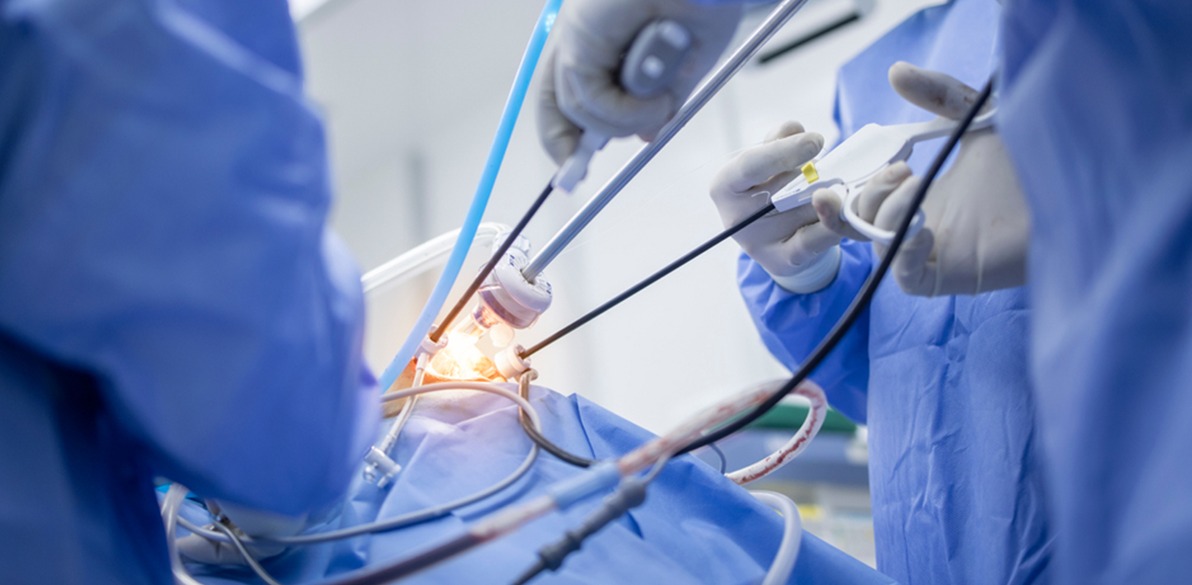
Cardiac surgery is a major medical procedure that can significantly improve heart function, relieve symptoms, and extend life expectancy. Whether the surgery is planned or recommended urgently, knowing what to expect before and after the procedure can help patients and families feel more prepared and confident.
This article explains the pre-surgery preparation, hospital experience, recovery process, and long-term care associated with cardiac surgery.
Understanding Cardiac Surgery
Cardiac surgery refers to surgical procedures performed on the heart or major blood vessels. It may be recommended to:
- Restore blood flow to the heart
- Repair or replace heart valves
- Correct structural heart problems
- Treat rhythm disorders
The exact approach depends on the underlying heart condition, overall health, and urgency of treatment.
Preparing for Cardiac Surgery
Pre-Surgical Evaluation
Before surgery, patients undergo a detailed evaluation to assess heart function and overall readiness. This may include:
- Blood tests
- Chest imaging
- Electrocardiogram (ECG)
- Echocardiography
- Coronary imaging
Doctors also review medical history, medications, allergies, and lifestyle factors.
Medication and Lifestyle Adjustments
Patients may be advised to:
- Adjust or stop certain medications
- Avoid smoking and alcohol
- Follow dietary recommendations
- Maintain light physical activity if advised
Clear instructions are provided to reduce surgical risks.
Emotional Preparation
It is normal to feel anxious before heart surgery. Discussing concerns with the medical care team and family, understanding the procedure, and knowing what to expect can help reduce stress and support emotional readiness.
What Happens on the Day of Surgery
Admission and Pre-Operative Care
On the day of surgery:
- Patients are admitted to the hospital
- Vital signs are checked
- Intravenous lines are placed
- Final assessments are completed
The surgical team explains the procedure again and answers last-minute questions.
During the Surgery
Cardiac surgery is performed under general anesthesia. The length of surgery varies depending on complexity. Throughout the procedure, heart function and vital signs are continuously monitored.
Immediate Recovery After Surgery
Intensive Care Unit (ICU) Stay
After surgery, patients are moved to the ICU for close monitoring. During this phase:
- Heart rhythm, blood pressure, and oxygen levels are closely watched
- Breathing support may be provided temporarily
- Pain is carefully managed
This period allows early detection of complications and stabilization.
Transition to the Hospital Room
Once stable, patients are transferred to a regular hospital room. Gradually:
- Tubes and monitors are removed
- Movement and breathing exercises begin
- Oral intake resumes
Hospital stay duration varies based on surgery type and recovery progress.
Pain Management and Wound Care
Managing Discomfort
Pain after cardiac surgery is expected but manageable. Doctors prescribe medications to control discomfort while allowing safe movement and breathing exercises.
Caring for Surgical Incisions
Proper wound care helps prevent infection. Patients are instructed on:
- Keeping the incision clean and dry
- Watching for signs of infection
- When to resume bathing
Clear guidance supports safe healing.
Recovery at Home After Discharge
Physical Recovery
Recovery continues at home and may take several weeks to months. Common experiences include:
- Gradual improvement in strength
- Mild fatigue
- Temporary sleep disturbances
Patients are encouraged to follow activity guidelines and avoid heavy lifting until cleared.
Cardiac Rehabilitation
Cardiac rehabilitation is an important part of recovery. It includes:
- Supervised exercise
- Education on heart-healthy habits
- Emotional support
Rehabilitation improves recovery speed and long-term heart health.
Lifestyle Changes After Cardiac Surgery
Heart-Healthy Habits
Long-term success depends on lifestyle management, including:
- Balanced diet
- Regular physical activity
- Stress management
- Medication adherence
These changes help protect surgical benefits and prevent future heart problems.
Follow-Up Appointments
Regular follow-up visits monitor:
- Heart function
- Wound healing
- Medication effectiveness
Ongoing care ensures early detection of any issues.
Possible Risks and Complications
All surgeries carry some risk. Potential complications may include:
- Infection
- Bleeding
- Irregular heart rhythms
- Fluid buildup
Close monitoring during and after surgery helps reduce these risks.
Emotional Well-Being After Surgery
Emotional changes, such as mood swings, anxiety, or low mood can occur during recovery. Support from family, counseling, and rehabilitation programs, helps patients adjust physically and emotionally.
Choosing Experienced Surgical Care
Cardiac surgery outcomes depend on careful planning, surgical expertise, and coordinated post-operative care. In cities such as Chennai, patients usually research options carefully when consulting the best heart surgeon in Chennai to understand the surgical approach, recovery planning, and long-term care support.
FAQs
How long does it take to recover from cardiac surgery?
Initial recovery may take 6 to 8 weeks, with gradual improvement over several months, depending on the procedure and individual health.
Will I need lifelong medication after surgery?
Some patients require long-term medications to support heart health. This depends on the type of surgery and underlying condition.
Is cardiac rehabilitation necessary?
Yes. Cardiac rehabilitation significantly improves recovery, physical strength, and long-term outcomes.
When can normal activities be resumed?
Light activities may begin within weeks, but full activity levels should be resumed only after medical clearance.
Can cardiac surgery improve quality of life?
Yes. Many patients experience significant improvement in symptoms, energy levels, and daily functioning after recovery.
Conclusion
Cardiac surgery is a life-changing procedure that requires careful preparation, structured hospital care, and dedicated recovery efforts. Understanding what to expect before and after surgery helps patients actively participate in their care and recovery.
With proper medical guidance, lifestyle adjustments, and follow-up, many individuals regain strength, improve heart function, and return to meaningful daily activities. Knowledge, preparation, and ongoing support are key elements of a successful cardiac surgery journey.

