

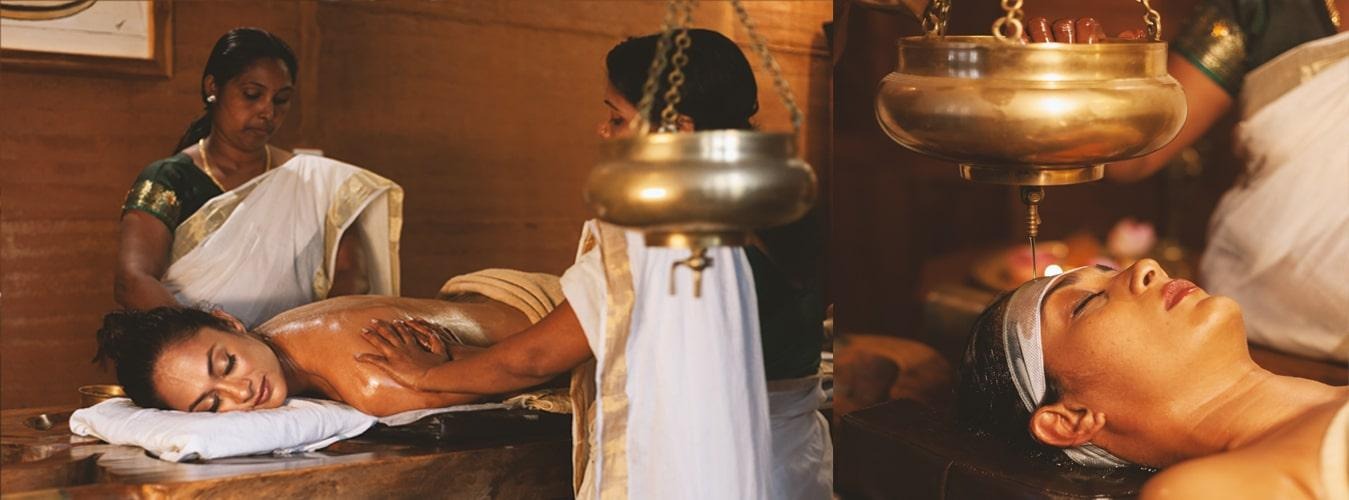
Panchakarma is a traditional Ayurvedic therapy designed to cleanse the body, restore internal balance, and support overall well-being. Practiced for centuries within the Ayurvedic medical system, this treatment focuses on eliminating accumulated toxins and restoring harmony between the body’s natural energies.
Ayurveda emphasizes the importance of balance between the body, mind, and environment for maintaining good health. When this balance is disrupted, illness and discomfort may develop. Panchakarma is considered one of the most comprehensive Ayurvedic therapies used to restore this balance through a structured process of detoxification and rejuvenation.
By combining cleansing procedures, herbal therapies, dietary guidance, and lifestyle adjustments, Panchakarma aims to support both physical and mental wellness.
Understanding Panchakarma in Ayurveda
The term Panchakarma comes from Sanskrit and means “five actions.” It refers to a series of five therapeutic procedures designed to remove toxins from the body and restore balance among the body’s biological energies, known as doshas.
According to Ayurvedic principles, toxins called ama may accumulate in the body due to poor digestion, unhealthy lifestyle habits, or environmental factors. Panchakarma therapy helps eliminate these toxins and improve the body’s natural healing ability.
The Role of Doshas in Panchakarma
Ayurveda identifies three primary energies that regulate bodily functions:
- Vata: Controls movement, circulation, and nervous system activity
- Pitta: Regulates metabolism and digestion
- Kapha: Maintains structure, stability, and lubrication
When these energies become imbalanced, various health issues may arise. Panchakarma therapy aims to restore balance among these doshas, promoting improved health and vitality.
Key Steps of Panchakarma Therapy
Panchakarma treatment is generally performed in stages under the guidance of trained Ayurvedic doctors. Key steps include:
1. Preparatory Phase (Purvakarma)
Before the main cleansing procedures begin, the body is prepared through therapies that loosen and mobilize toxins.
Common preparatory treatments include:
- Snehana (Oil therapy): Application of medicated oils to nourish tissues and loosen toxins
- Swedana (Herbal steam therapy): Gentle sweating therapy that helps toxins move toward the digestive tract
These preparatory steps help prepare the body for deeper detoxification.
2. Main Detoxification Procedures
The main phase of Panchakarma includes five classical purification therapies, including:
Vamana (Therapeutic Emesis)
This procedure involves controlled vomiting to remove toxins from the upper digestive tract and respiratory system.
Virechana (Purgation Therapy)
Medicated laxatives are used to cleanse the liver, gallbladder, and intestines.
Basti (Medicated Enema)
Herbal enemas are administered to cleanse the colon and balance Vata-related disorders.
Nasya (Nasal Therapy)
Medicated oils or herbal extracts are administered through the nose to cleanse the head and sinus region.
Raktamokshana (Blood Purification)
In certain cases, controlled bloodletting techniques may be used to eliminate impurities from the blood.
Each treatment is selected based on the individual’s health condition and dosha imbalance.
3. Post-Treatment Rejuvenation
After detoxification, the body requires nourishment and recovery.
This stage generally includes:
- Specialized diet plans
- Herbal tonics
- Yoga and breathing exercises
- Lifestyle recommendations
These measures help stabilize the body and maintain the benefits of the treatment.
How Panchakarma Supports Overall Wellness
Panchakarma therapy offers several potential benefits when performed under proper medical guidance.
Detoxification and Cleansing
One of the primary goals of Panchakarma is to eliminate toxins that accumulate in the body over time.
These toxins may affect digestion, metabolism, and immune function. Detoxification therapies help cleanse tissues and restore physiological balance.
Improved Digestive Health
Digestive function plays a central role in Ayurvedic health philosophy. Panchakarma therapies may help stimulate digestive enzymes and improve metabolism.
Improved digestion allows the body to absorb nutrients more effectively and remove waste efficiently.
Enhanced Immunity
By removing toxins and improving metabolic balance, Panchakarma may help strengthen the immune system and support overall vitality.
Some individuals report increased energy and improved resilience following treatment.
Stress Reduction and Mental Clarity
Panchakarma therapies commonly include massage, meditation, and relaxation techniques that calm the nervous system.
These practices may help reduce stress and improve emotional well-being. Integrative healthcare approaches that combine mind-body therapies with lifestyle changes can support both mental and physical wellness.
Improved Metabolism and Energy Levels
Certain Panchakarma procedures stimulate metabolism and support healthy circulation.
As a result, many individuals experience improved energy levels and better physical endurance after therapy.
Conditions Commonly Addressed with Panchakarma
Panchakarma therapy may be recommended as part of Ayurvedic management for several health concerns.
Digestive Disorders
Conditions such as indigestion, bloating, and irregular bowel movements may benefit from therapies that improve digestive balance.
Stress and Fatigue
Stress-related symptoms such as fatigue and mental exhaustion may improve through relaxation and detoxification therapies.
Skin Conditions
Certain Ayurvedic treatments focus on eliminating toxins believed to contribute to skin issues, such as acne or eczema.
Joint and Musculoskeletal Problems
Oil therapies and detoxification procedures may help support joint mobility and reduce discomfort associated with inflammation.
Panchakarma treatment plans are usually customized according to each individual’s health condition and body constitution.
In Hyderabad, many individuals interested in holistic detoxification programs explore clinics offering the best panchakarma treatment in Hyderabad to receive personalized Ayurvedic care.
Safety and Professional Guidance
While Panchakarma is widely practiced, it should always be performed under the supervision of trained Ayurvedic professionals.
Certain individuals, including those with acute illness, injuries, or pregnancy, may need to avoid or modify the therapy.
Additionally, herbal therapies may interact with medications, so patients should consult healthcare professionals before beginning treatment.
Proper evaluation and supervision help ensure safe and effective therapy.
Frequently Asked Questions
What is Panchakarma treatment?
Panchakarma is a traditional Ayurvedic detoxification and rejuvenation therapy designed to cleanse the body of toxins and restore balance among the body’s natural energies.
How long does Panchakarma therapy take?
A normal Panchakarma program may last from one to three weeks, depending on the individual’s health condition and treatment plan.
Is Panchakarma safe?
When performed under the supervision of trained Ayurvedic doctors, Panchakarma is generally considered safe. Medical consultation is recommended before starting therapy.
What are the benefits of Panchakarma?
Potential benefits include detoxification, improved digestion, enhanced immunity, stress reduction, and increased energy levels.
Who should consider Panchakarma treatment?
Individuals seeking holistic wellness, stress relief, or support for chronic lifestyle conditions may consider Panchakarma therapy under professional guidance.
Conclusion
Panchakarma therapy represents one of the most comprehensive detoxification and rejuvenation practices within Ayurveda. Through a combination of cleansing procedures, herbal treatments, and lifestyle guidance, it aims to restore balance within the body and support long-term wellness.
By focusing on the root causes of imbalance and promoting natural healing processes, Panchakarma provides a holistic approach to health. When performed by qualified doctors and integrated with healthy lifestyle habits, this traditional therapy can play an important role in maintaining overall physical and mental well-being.

