

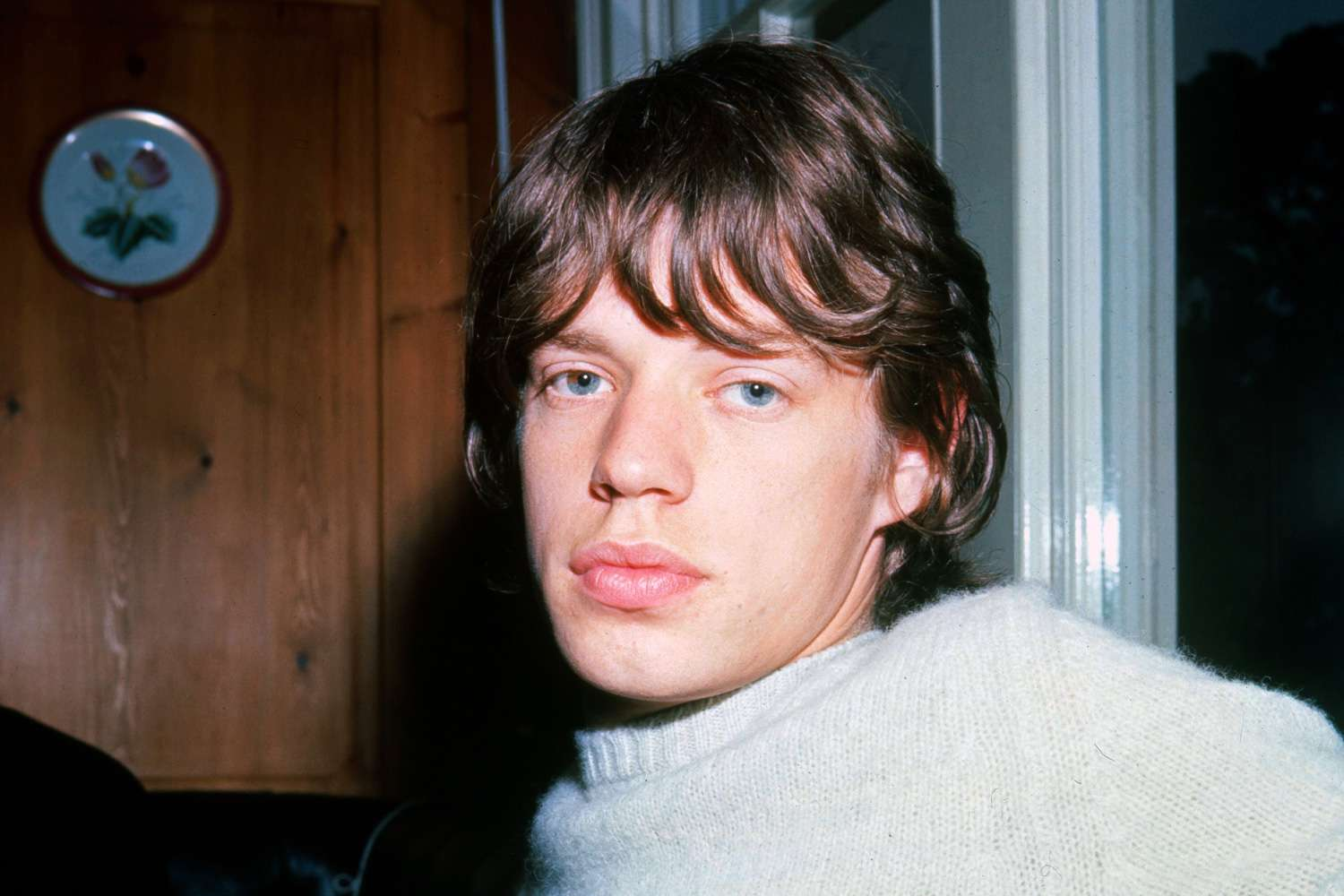
Few figures in rock history have remained as fascinating and influential as Mick Jagger. Long before he became one of the most recognizable performers in the world, the story of mick jagger young was already filled with ambition, rebellion, style, and musical genius. From his childhood in post-war England to the explosive rise of The Rolling Stones in the 1960s, Jagger’s youth shaped not only his own future but the direction of rock music itself.
What made young Mick Jagger different from countless aspiring musicians of his generation was his unmatched charisma and relentless drive. While many singers possessed strong voices, Jagger had a magnetic stage presence that electrified audiences almost instantly. His confidence, unconventional dance moves, and rebellious image became symbolic of a cultural revolution that defined an entire era.
Understanding the early life of Mick Jagger offers a deeper look into how a middle-class boy from England transformed into one of rock’s most enduring legends. His journey reveals the roots of his creativity, his complicated relationship with fame, and the determination that fueled decades of success.
Early Life and Family Background of Mick Jagger
Mick Jagger was born Michael Philip Jagger on July 26, 1943, in Dartford, Kent, England. Growing up in post-war Britain, he experienced a structured and relatively stable upbringing. His father, Basil Fanshawe Jagger, worked as a physical education teacher, while his mother, Eva Jagger, was active in local politics and community work.
Unlike the rebellious image he later projected, young Mick Jagger was actually a good student during his childhood years. He attended Wentworth Primary School and later Dartford Grammar School, where he excelled academically. Teachers reportedly believed he had the intelligence and discipline to pursue a career in business or law.
However, music had already started capturing his imagination at an early age. Influenced by American rhythm and blues artists, Jagger became fascinated by singers such as Muddy Waters, Howlin’ Wolf, and Little Richard. These artists introduced him to a raw musical energy that contrasted sharply with traditional British culture of the 1950s.
Even as a teenager, Jagger possessed a distinctive personality. Friends often described him as ambitious, energetic, and highly competitive. Those traits would later become crucial in helping him navigate the intense pressures of global fame.
How Mick Jagger Met Keith Richards
One of the most important moments in rock history happened almost by accident. As teenagers, Mick Jagger and Keith Richards reconnected at Dartford railway station in 1961.
Although they had briefly attended school together as children, they lost touch for several years. Their reunion became legendary because Jagger was carrying records by American blues musicians including Chuck Berry and Muddy Waters. Richards immediately recognized their shared musical interests, and the two quickly bonded.
At the time, British youth culture was evolving rapidly. American blues and rock and roll records were becoming increasingly popular among young musicians searching for something more authentic and rebellious than mainstream pop music. Jagger and Richards immersed themselves in this underground music scene.
Soon after reconnecting, the pair began collaborating musically. Their chemistry proved extraordinary from the beginning. Richards provided gritty guitar riffs while Jagger delivered powerful vocals and stage charisma. Together, they formed one of the greatest songwriting partnerships in music history.
Their friendship during the early years laid the foundation for the future success of The Rolling Stones and fundamentally changed popular music.
Mick Jagger Young and the Formation of The Rolling Stones
The rise of The Rolling Stones in the early 1960s cannot be understood without examining young Mick Jagger’s ambition and artistic vision. Alongside Keith Richards, Brian Jones, Charlie Watts, and Bill Wyman, Jagger helped create a band that challenged social norms and musical conventions.
The group officially formed in London in 1962 during a period when British music was undergoing dramatic transformation. While bands like The Beatles presented a polished and charming image, The Rolling Stones cultivated a rougher, edgier identity.
Young Mick Jagger quickly emerged as the face of the band. His sharp cheekbones, expressive lips, and unpredictable stage movements made him unforgettable. At a time when most singers stood relatively still during performances, Jagger moved constantly, dancing and engaging with crowds in ways audiences had rarely seen before.
The band initially performed covers of American blues songs in small clubs around London. Their live shows gained attention because of their raw intensity and rebellious atmosphere. Audiences were captivated by Jagger’s ability to command the stage despite his unconventional appearance.
By the mid-1960s, The Rolling Stones had evolved from a local blues band into an international sensation. Songs like “(I Can’t Get No) Satisfaction” turned the group into global superstars and cemented Mick Jagger’s status as a cultural icon.
The Unique Style and Fashion of Young Mick Jagger
One of the reasons people remain fascinated with mick jagger young is his unforgettable fashion sense. During the 1960s and 1970s, Jagger became a symbol of bold self-expression and countercultural style.
Unlike traditional male performers of earlier decades, Jagger embraced flamboyant clothing, colorful scarves, tight trousers, velvet jackets, and experimental accessories. His wardrobe choices challenged conventional masculinity and reflected the rapidly changing attitudes of youth culture.
Young Mick Jagger understood that visual identity was just as important as musical talent. He used fashion strategically to create a persona that felt rebellious, seductive, and modern. Photographs from the era still influence contemporary designers and musicians today.
Some defining aspects of his early style included:
- Slim-fitting suits inspired by London’s mod culture
- Long hair during the peak of the psychedelic era
- Bright colors and unusual patterns
- Glam-rock inspired stage outfits in the 1970s
- Confident, androgynous fashion experimentation
Jagger’s influence extended beyond music into broader pop culture. His appearance inspired countless artists, fashion trends, and magazine editorials throughout the decades.
Even today, many younger performers borrow elements from the image young Mick Jagger created during his rise to fame.
Stage Presence and Performance Energy
Perhaps no aspect of Mick Jagger’s youth was more influential than his revolutionary performance style. Before Jagger, many rock singers relied mainly on vocal ability. Jagger transformed live performance into a theatrical, highly physical experience.
Young Mick Jagger’s movements on stage appeared spontaneous and almost uncontrollable. He danced with extraordinary energy, swinging his arms, strutting across the stage, and interacting intensely with audiences. His confidence gave concerts a sense of unpredictability that fans found thrilling.
Critics initially dismissed his style as chaotic or provocative. However, younger audiences connected deeply with the rebellious spirit he represented. Jagger embodied the freedom and anti-establishment attitude that defined much of the 1960s counterculture movement.
His influence on future performers became enormous. Artists ranging from David Bowie to Prince and Harry Styles have drawn inspiration from Jagger’s stage charisma and fearless self-expression.
Even decades later, music historians often describe young Mick Jagger as one of the greatest live performers in rock history.
Relationships, Fame, and Public Attention
As The Rolling Stones grew more famous, Mick Jagger’s personal life became a major topic of public fascination. Young Mick Jagger attracted attention not only for his music but also for his relationships, social circles, and glamorous lifestyle.
During the height of the Swinging London era, Jagger became closely associated with models, actors, artists, and cultural elites. His romances with prominent women frequently appeared in newspapers and magazines, helping build his reputation as a rock-and-roll rebel.
However, fame also brought intense pressure. The Rolling Stones often faced criticism from conservative media outlets that portrayed the band as dangerous or immoral. Compared to The Beatles’ cleaner image, the Stones were marketed as rebellious outsiders.
Young Jagger learned how to navigate controversy strategically. Rather than avoiding scandal completely, he often leaned into the band’s bad-boy reputation. This approach helped differentiate The Rolling Stones from other groups and strengthened their appeal among younger fans.
Despite constant public scrutiny, Jagger remained intensely focused on music and performance. His ability to balance celebrity culture with artistic ambition became one of the key reasons for his long-term success.
Musical Evolution During His Younger Years
The artistic growth of Mick Jagger during his youth was remarkable. In the early days, he mainly performed blues covers influenced by American musicians. Over time, however, he developed into a sophisticated songwriter and creative visionary.
Together with Keith Richards, Jagger helped write some of the most iconic songs in rock history. Their songwriting partnership produced classics including:
- “Paint It Black”
- “Jumpin’ Jack Flash”
- “Sympathy for the Devil”
- “Gimme Shelter”
- “Brown Sugar”
Young Mick Jagger possessed an unusual ability to adapt to changing musical trends without losing authenticity. As rock music evolved through psychedelia, hard rock, and experimental sounds, The Rolling Stones continued reinventing themselves successfully.
Jagger also demonstrated impressive business instincts. He understood the importance of branding, media attention, and artistic reinvention long before many other musicians recognized those factors.
His intelligence and strategic thinking helped ensure that The Rolling Stones remained relevant across multiple generations.
Cultural Impact of Young Mick Jagger
The cultural influence of young Mick Jagger extends far beyond music. During the 1960s and 1970s, he became a symbol of youth rebellion, sexual freedom, and artistic experimentation.
At a time when society was rapidly changing, Jagger represented a break from traditional expectations. His performances challenged ideas about masculinity, celebrity behavior, and artistic expression. He helped redefine what it meant to be a rock star.
The image of young Mick Jagger became deeply connected to the broader cultural revolution of the era. He embodied the energy of London’s music scene, the rise of counterculture movements, and the growing power of youth identity.
Film directors, photographers, fashion designers, and writers all drew inspiration from his persona. Decades later, images of Jagger during his younger years remain instantly recognizable around the world.
His influence can still be seen in modern pop culture, where performers continue to emulate his mix of charisma, rebellion, and theatricality.
Lesser-Known Facts About Young Mick Jagger
Although much has been written about Mick Jagger, several lesser-known details about his youth continue to surprise fans.
He Initially Studied Economics
Before fully committing to music, Jagger attended the London School of Economics. His academic background later helped him understand the business side of the music industry better than many of his contemporaries.
He Was Inspired by American Blues Records
Young Mick Jagger spent countless hours listening to imported blues records that were difficult to find in Britain at the time. These recordings shaped the sound of The Rolling Stones.
His Famous Lips Became a Global Symbol
Jagger’s distinctive appearance became one of the most recognizable images in entertainment history. The iconic Rolling Stones tongue-and-lips logo later became closely associated with his public image.
He Constantly Reinvented Himself
Unlike many artists who remained tied to one era, Jagger adapted continuously. His younger years already showed signs of the reinvention skills that kept him relevant for decades.
He Was Highly Disciplined
Despite the wild image often associated with rock stars, Jagger maintained a strong work ethic. Band members and collaborators frequently praised his professionalism and preparation.
Why People Are Still Fascinated by Mick Jagger Young
The enduring fascination with mick jagger young comes from the combination of talent, rebellion, intelligence, and cultural timing. He emerged during one of the most transformative periods in modern history and became one of its defining figures.
Young Mick Jagger represented freedom for millions of fans who wanted to challenge traditional norms and embrace new forms of self-expression. His influence extended across music, fashion, celebrity culture, and social attitudes.
What makes his story particularly compelling is that his rise did not happen by accident. Behind the swagger and stage theatrics was an ambitious, highly intelligent artist who understood both performance and popular culture at an exceptional level.
Even younger audiences today continue discovering vintage performances, interviews, and photographs of Jagger during his early years. Those images capture a performer at the peak of creative energy and cultural impact.
Conclusion
The story of mick jagger young is ultimately the story of transformation. From a disciplined schoolboy in Kent to the electrifying frontman of The Rolling Stones, Mick Jagger’s early years shaped one of the most extraordinary careers in entertainment history.
His youthful ambition, musical passion, and fearless individuality helped redefine rock music and global pop culture. Whether through his stage presence, fashion choices, songwriting, or rebellious image, Jagger became a symbol of an era that changed the world.
More than six decades after his rise to fame, fascination with young Mick Jagger remains stronger than ever. Fans continue to admire the energy, confidence, and innovation that made him one of the greatest performers of all time. His legacy proves that true cultural icons do more than entertain — they inspire generations and leave a lasting imprint on history.
You may also read: Celebrity Bio
FAQs
Who was Mick Jagger when he was young?
Young Mick Jagger was a British student from Kent who became the lead singer of The Rolling Stones and one of rock music’s most influential performers.
How did Mick Jagger become famous?
Mick Jagger became famous after forming The Rolling Stones with Keith Richards and other musicians in the early 1960s. His stage presence and the band’s hit songs quickly attracted global attention.
What was young Mick Jagger known for?
Young Mick Jagger was known for his energetic performances, unique dancing style, rebellious image, and charismatic leadership as the frontman of The Rolling Stones.
Did Mick Jagger attend college?
Yes, Mick Jagger briefly attended the London School of Economics before leaving to focus entirely on his music career.
Why is young Mick Jagger still popular today?
Young Mick Jagger remains popular because of his lasting influence on music, fashion, performance culture, and rock-and-roll history.

