

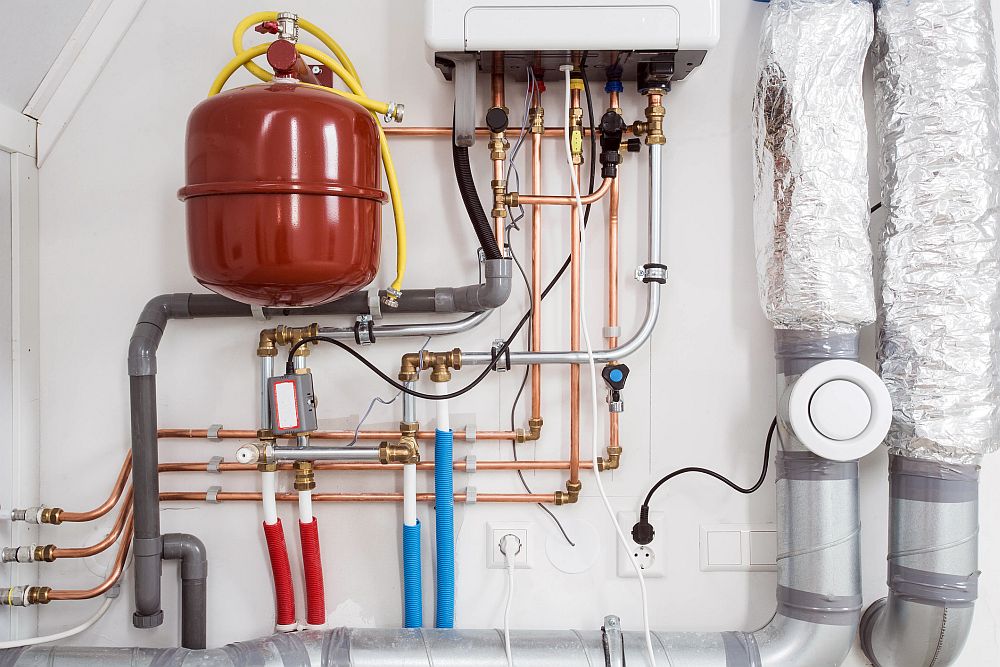
Valves — pressure relief valves (PRVs), safety valves, and automatic air vents — might look minor next to the boiler, but they perform vital safety and efficiency functions. When they fail, you can see anything from nuisance leaks to genuine hazards. Here’s what goes wrong, what to watch for, and how to stay ahead.
- What they do: PRVs vent excess pressure to keep the system safe; air vents release trapped air, so water circulates properly.
- Why it matters: Failed valves lead to leaks, pressure loss, noisy pipes and poor heating — and can compromise safety.
- When they struggle: Debris and limescale, corrosion or tired seals, wrong system pressure, expansion-vessel faults, and trapped air.
- Prevention in practice: Annual servicing, system cleaning/chemicals as required, pressure and expansion-vessel checks, and proactive replacement of ageing parts.
- What to do next: If you suspect a fault, switch off and call a Gas Safe registered engineer to diagnose before running the system.
Benefits at a glance
Safer operation
Healthy PRVs prevent dangerous over-pressure; working vents stop airlocks that strain pumps and pipework.
Quieter, more efficient heating
Removing trapped air and maintaining stable pressure improves circulation and day-to-day efficiency.
Lower chance of surprise breakdowns
Regular checks and timely valve swaps head off leaks and callouts during cold snaps.
Sensible part choices
Quality new or remanufactured valves from trusted suppliers can be a reliable, cost-effective option.
Common symptoms of valve or vent trouble
- Dripping from the PRV discharge pipe outside
- Frequent loss of pressure or repeated top-ups
- Hissing, gurgling and cold spots from trapped air
- Staining or damp around valve unions or discharge pipework
- Boiler locking out with apparent circulation issues
If you notice these, a Gas Safe registered engineer can check pressures, test the expansion vessel, inspect boiler valve seats/seals, and confirm the fix.
FAQs
Why does my PRV keep dripping?
Once debris or limescale sits on the valve seat, it may not reseal fully after opening. Repeated over-pressure from a failed expansion vessel can also cause ongoing discharge. An engineer can test both and replace where needed.
Can trapped air cause problems even if the valves are “fine”?
Yes. Blocked or failed air vents allow air to build up, leading to uneven heating, noisy pipes and added strain on pumps. Restoring vent function usually resolves this.
Is it safe to delay replacing a leaky valve?
Not usually. A compromised safety valve risks damage and unsafe operation. It’s better to replace promptly and investigate the underlying cause.
Are remanufactured valves reliable?
When sourced from reputable suppliers and properly remanufactured/tested, they can be a reliable, good-value and lower-waste choice. Ask about the process and any certification.
What maintenance helps prevent repeat failures?
Annual service, system cleaning where sludge/scale is present, correct inhibitor levels, and checks on pressure and the expansion vessel. Replace ageing valves proactively instead of waiting for a failure.
Need help finding the right valve or air vent?
Talk to our technical team for plain-English advice on diagnosis and replacement.
WhatsApp (badge): https://wa.me/447834398673
Contact us: Contact Us | National Boiler Spares
Always use a Gas Safe registered engineer for installation and repair.

