
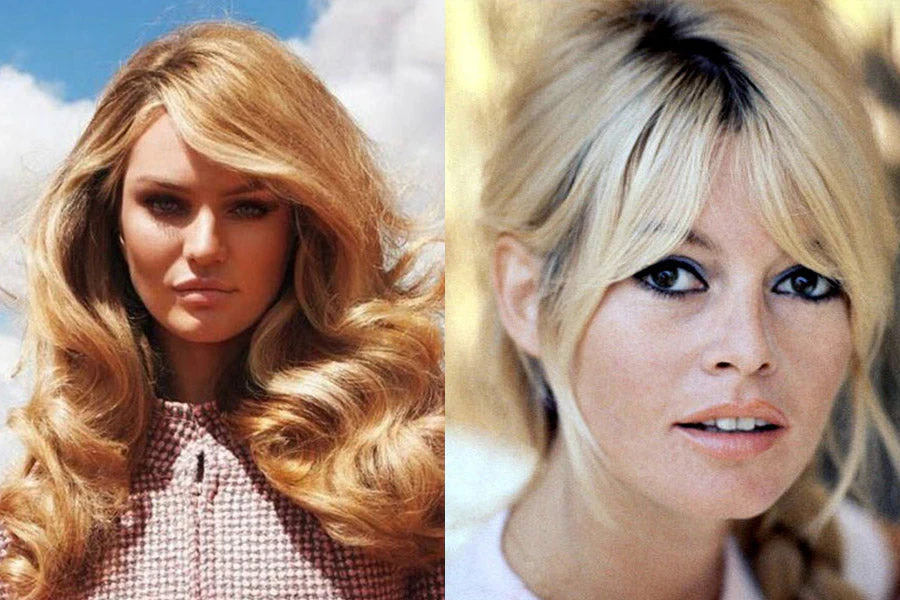
The sixties haircut remains one of the most influential beauty trends in fashion history. Decades after the swinging 1960s transformed music, culture, and style, the hairstyles from that era continue to inspire modern salons, celebrities, and runway looks around the world. From voluminous bouffants to sleek pixie cuts and rebellious shag styles, the sixties introduced a bold new way for people to express personality through hair.
What made the sixties haircut so unforgettable was its versatility. Some styles represented elegance and sophistication, while others symbolized youth rebellion and artistic freedom. Women embraced dramatic volume, geometric cuts, and statement bangs, while men experimented with longer hair and carefree textures inspired by rock musicians and counterculture movements.
Today, retro-inspired hairstyles are once again dominating social media and fashion magazines. Whether someone wants a glamorous vintage look or a modern adaptation of a classic cut, the influence of sixties hairstyles can be seen everywhere. Understanding the origins, evolution, and cultural significance of these iconic haircuts reveals why they continue to shape beauty trends more than half a century later.
The Cultural Revolution Behind the Sixties Haircut
The 1960s were a decade of transformation. Fashion, music, politics, and beauty standards all shifted dramatically, creating the perfect environment for innovative hairstyles to emerge. Hair became more than just grooming—it became a statement of identity and independence.
Before the 1960s, hairstyles were often conservative and carefully structured. However, the rise of youth culture changed everything. Influential musicians, actresses, and fashion icons encouraged people to embrace individuality. London, in particular, became a global style capital where experimental fashion and modern haircuts flourished.
The sixties haircut reflected these social changes perfectly. Women no longer wanted rigid, traditional styles alone. They wanted haircuts that represented confidence, modernity, and liberation. Short hair became fashionable, while exaggerated volume challenged conventional beauty standards.
At the same time, the counterculture movement encouraged more relaxed and natural hairstyles. Rock bands and artists inspired longer, textured looks that contrasted sharply with polished salon styles. This diversity made the decade incredibly influential in hair fashion history.
The lasting popularity of sixties hairstyles comes from their emotional connection to creativity and freedom. Even today, these cuts symbolize confidence, individuality, and timeless glamour.
The Rise of the Famous Bouffant Hairstyle
No discussion about the sixties haircut is complete without mentioning the bouffant. This glamorous hairstyle defined elegance during the early and mid-1960s and became synonymous with sophistication.
The bouffant focused heavily on volume. Hair was teased at the crown, lifted dramatically, and secured with hairspray to create a rounded silhouette. Women often paired the look with soft curls, headbands, or decorative accessories.
Celebrities and public figures helped popularize the bouffant worldwide. First ladies, actresses, and singers embraced the style, making it a beauty standard for millions of women. Salons developed specialized techniques to achieve the perfect height and structure.
Key features of the classic bouffant included:
- Teased crown volume
- Smooth outer layers
- Soft curled ends
- Strong hairspray hold
- Elegant accessories
While the original bouffant could appear highly structured, modern interpretations are softer and more wearable. Contemporary hairstylists often recreate the look with less teasing and more natural movement, allowing the style to feel glamorous without appearing outdated.
The enduring appeal of the bouffant lies in its dramatic elegance. It remains a favorite for weddings, fashion shoots, and vintage-inspired events.
Twiggy and the Pixie Cut Revolution
When discussing iconic sixties haircut trends, the pixie cut deserves special attention. British model Twiggy became one of the decade’s biggest fashion symbols thanks to her ultra-short haircut and striking mod-inspired appearance.
The pixie cut represented a dramatic shift in beauty standards. Before the 1960s, long hair was often associated with femininity. Twiggy’s hairstyle challenged that idea completely, proving that short hair could be chic, youthful, and incredibly fashionable.
The pixie cut featured cropped sides, short layers, and defined bangs that highlighted facial features. Its simplicity made it both stylish and practical. Women loved the freedom of a haircut that required less maintenance while still appearing fashionable.
This hairstyle quickly became associated with confidence and independence. It appealed to women who wanted a modern, bold image that reflected changing social attitudes.
Today’s pixie cuts still draw inspiration from the sixties version, although modern stylists often add texture, asymmetry, or longer fringe elements to personalize the look. Celebrities continue to revive the pixie cut because of its timeless sophistication and edgy charm.
The sixties pixie remains one of the most influential short hairstyles ever created.
The Mod Haircut and Geometric Precision
The mod movement had a massive influence on fashion and hairstyling during the 1960s. Originating in London, mod culture emphasized clean lines, bold fashion, and futuristic aesthetics. Hairstyles followed the same philosophy.
The mod haircut often featured geometric precision, sleek lines, and sharp edges. Vidal Sassoon became one of the most influential hairstylists of the era by creating architectural cuts that completely transformed salon culture.
Unlike heavily teased hairstyles, mod cuts relied on expert shaping and structure. Popular elements included:
- Angular bobs
- Sharp bangs
- Symmetrical lines
- Sleek finishes
- Minimal styling effort
The famous five-point haircut became one of Sassoon’s signature creations. It framed the face beautifully while maintaining a sculptural appearance that looked modern and sophisticated.
These hairstyles reflected the optimism and innovation of the decade. Fashion embraced futuristic ideas, and haircuts followed suit with streamlined silhouettes and minimalist styling.
Modern bob hairstyles still borrow heavily from mod-inspired sixties haircuts. Precision cutting techniques developed during the era continue to influence professional hairstyling education around the world.
Long Hippie Hair and Counterculture Influence
By the late 1960s, the hippie movement introduced an entirely different interpretation of beauty. Structured salon styles gradually gave way to long, natural, and carefree hair.
This version of the sixties haircut rejected excessive styling and embraced authenticity. Hair was often worn loose, center-parted, and naturally textured. The look reflected anti-establishment values and a connection to artistic freedom.
Musicians and festival culture played a major role in popularizing long hairstyles. Both men and women adopted relaxed haircuts that symbolized peace, individuality, and rebellion against traditional social norms.
Unlike earlier sixties hairstyles that relied heavily on hairspray and salon maintenance, hippie-inspired hair celebrated simplicity. Braids, flower crowns, and natural waves became defining features.
This trend had a lasting impact on beauty standards because it normalized casual and effortless hairstyles. Modern bohemian fashion continues to draw inspiration from late-sixties counterculture aesthetics.
Many contemporary beach-wave hairstyles and textured layered cuts can trace their roots back to the hippie hair movement of the 1960s.
The Shag Haircut: A Rebellious Classic
Toward the end of the decade, the shag haircut emerged as one of the boldest and most rebellious styles of the era. This layered haircut would later dominate the 1970s, but its origins are closely tied to late-sixties experimentation.
The shag featured choppy layers, feathered texture, and a deliberately messy appearance. It offered movement and personality while breaking away from polished salon perfection.
Rock musicians and rebellious youth embraced the shag because it represented freedom and individuality. The hairstyle worked well on different hair lengths and textures, making it highly versatile.
Characteristics of the classic shag included:
- Heavy layering
- Textured ends
- Wispy bangs
- Voluminous crown
- Effortless styling
The shag haircut remains incredibly popular today because of its adaptability. Modern versions often combine vintage inspiration with contemporary styling techniques, resulting in a hairstyle that feels both retro and fresh.
Social media platforms have helped revive the shag among younger generations seeking edgy yet low-maintenance hairstyles.
Why the Sixties Haircut Still Influences Modern Fashion
Fashion trends often return, but the sixties haircut has never truly disappeared. Its influence can be seen across contemporary beauty culture because the decade introduced styles that balanced creativity, elegance, and individuality.
Modern hairstylists frequently reinterpret sixties hairstyles to suit current preferences. Instead of exact replicas, they create softer, more wearable versions inspired by classic shapes and textures.
Several factors explain the lasting popularity of sixties haircuts:
Timeless Elegance
Styles like the bouffant and precision bob continue to feel sophisticated and glamorous.
Versatility
Sixties hairstyles range from ultra-polished to completely relaxed, offering options for every personality and hair type.
Celebrity Influence
Modern celebrities regularly revive retro hairstyles for red carpet appearances and fashion campaigns.
Social Media Revival
Platforms like TikTok and Instagram have introduced younger audiences to vintage beauty trends.
Nostalgia and Vintage Fashion
Retro fashion cycles consistently bring sixties aesthetics back into mainstream culture.
The adaptability of these hairstyles ensures they remain relevant in every generation.
How to Modernize a Classic Sixties Haircut
Many people love vintage hairstyles but want them to feel contemporary rather than costume-like. Fortunately, modern hairstyling techniques make it easy to adapt classic sixties looks for everyday wear.
A modernized sixties haircut typically focuses on softer texture and more natural movement. Instead of excessive teasing or rigid structure, hairstylists create subtle volume and relaxed finishes.
Here are a few ways to modernize classic sixties styles:
- Add texture spray instead of heavy hairspray
- Choose softer layers for natural movement
- Pair retro bangs with contemporary coloring techniques
- Use loose waves rather than stiff curls
- Blend vintage shapes with modern face-framing layers
Hair color also plays a role. Contemporary balayage, highlights, and dimensional coloring can update a retro-inspired haircut beautifully.
The key is balance. Borrowing inspiration from the sixties without recreating every detail allows the hairstyle to feel fashionable and wearable today.
The Most Iconic Celebrities Associated With Sixties Hairstyles
Several legendary figures helped make the sixties haircut unforgettable. Their hairstyles became cultural symbols that still inspire beauty trends today.
Twiggy
Her pixie haircut defined mod fashion and transformed beauty standards worldwide.
Brigitte Bardot
Known for voluminous blonde hair and effortless bangs, Bardot embodied glamorous sensuality.
The Beatles
Their longer mop-top hairstyles influenced men’s grooming trends across the globe.
Diana Ross
Her dramatic volume and glamorous styling became iconic during the decade.
Jane Birkin
Her relaxed fringe and natural texture inspired effortless French-girl beauty.
These celebrities helped popularize hairstyles that continue to appear in fashion editorials, salons, and entertainment media decades later.
Conclusion
The enduring popularity of the sixties haircut proves that great style never truly fades. From sophisticated bouffants and geometric mod cuts to rebellious shag hairstyles and carefree hippie hair, the 1960s introduced some of the most influential beauty trends in modern history.
What makes these hairstyles so timeless is their emotional connection to individuality, confidence, and cultural transformation. Each haircut represented more than fashion—it reflected changing attitudes about freedom, identity, and self-expression.
Today’s hairstylists continue to reinvent sixties-inspired looks for modern audiences, blending vintage glamour with contemporary styling techniques. Whether someone chooses a sleek bob, textured shag, or elegant volume, the spirit of the sixties remains present in modern beauty culture.
As trends continue to evolve, the sixties haircut stands as a reminder that bold creativity and personal style will always have a place in fashion history.
FAQs About Sixties Haircut Styles
What was the most popular sixties haircut?
The bouffant was one of the most popular hairstyles of the early 1960s, while pixie cuts and mod bobs gained popularity later in the decade.
Why are sixties hairstyles still popular today?
Sixties hairstyles remain popular because they combine timeless elegance with bold individuality, making them easy to modernize for contemporary fashion.
What is a mod haircut?
A mod haircut is a sleek, geometric hairstyle inspired by 1960s London fashion culture. It often features sharp lines, precision cuts, and structured shapes.
How do you modernize a sixties haircut?
You can modernize a sixties haircut by using softer layers, natural texture, loose waves, and contemporary hair coloring techniques.
Which celebrities made sixties hairstyles famous?
Icons like Twiggy, Brigitte Bardot, Diana Ross, Jane Birkin, and The Beatles helped popularize many legendary sixties hairstyles.
You may also read: Celebrity Bio

