

If you’ve ever dealt with warped metal, slow production timelines, or welds that just never look quite right, you know how frustrating traditional welding methods can be. Many professionals and hobbyists face the same issue: achieving strong, clean, precise welds without wasting time on excessive grinding or rework. This is where understanding how to choose the right laser welding machine becomes increasingly important, especially as more industries embrace laser technology for its speed and accuracy.
Laser welding is no longer limited to large manufacturers. Today, shops of all sizes as well as skilled DIY users, can access compact, powerful systems capable of producing refined welds with minimal heat distortion. As this technology becomes more approachable worldwide, knowing how to select the right machine can save you both time and money while improving overall results. This guide walks you through the key considerations, breaking down the technical aspects into clear, practical insights.
Key Factors to Consider Before Choosing a Laser Welding Machine
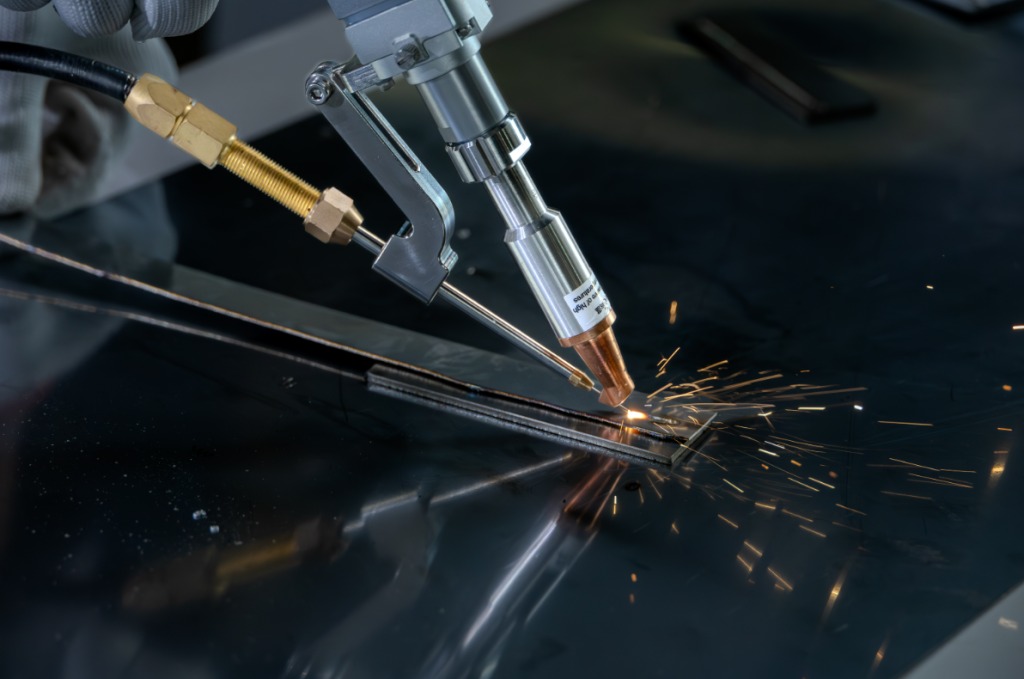
A laser welding machine uses a highly focused beam of light to fuse metal with precision. Unlike MIG or TIG welding, which rely on electrical arcs or filler materials, laser welding delivers concentrated energy to a tiny point, producing fast, deep, and clean welds. Its small heat-affected zone minimizes distortion, making it ideal for thin or high-precision components. Here are the key factors to consider before choosing a laser welding machine:
1. Understanding Your Material and Application Needs
Choosing the right laser welding machine begins with understanding the materials you work with most often. Different metals react differently to laser energy—stainless steel welds cleanly with minimal adjustment, while aluminum’s reflective surface may require higher wattage or specific settings. Thin sheets also demand controlled heat input to avoid warping or burn-through.
Before deciding, consider your typical material thicknesses, the level of cosmetic quality you need, and whether you frequently weld dissimilar metals. Clarifying these factors helps ensure the machine you choose aligns with your actual workflow and supports the results you want to achieve.
2. Selecting the Appropriate Power and Performance Level
The wattage of a laser welding machine directly influences how well it handles different materials. Lower-wattage systems (around 1000W–1500W) work well for thin metals, fine details, and light-duty applications, offering excellent control with minimal distortion. Higher-wattage machines (2000W–3000W) are better suited for thicker materials and industrial workloads, providing faster travel speeds and deeper penetration.
Selecting the right power level requires balancing weld speed with material thickness. More power isn’t always better—too much heat can complicate certain projects. The goal is to choose a wattage that supports your everyday tasks efficiently while maintaining consistent weld quality.
3. Evaluating Cooling Systems: Air-Cooled vs. Water-Cooled
Laser welding machines generate substantial heat, so understanding the cooling method is essential. Air-cooled systems use internal fans to manage temperature, offering low maintenance, portability, and suitability for light to moderate welding tasks. They’re often preferred in smaller workshops or mobile setups where convenience matters.
Water-cooled systems use circulating coolant for more efficient heat removal, allowing for longer, continuous welds without overheating. This makes them ideal for industrial environments or high-duty cycles, though they require additional upkeep. Choosing between the two depends on how often and how long you plan to weld, as well as your overall workflow demands.
4. Considering Versatility, Features, and Ease of Use
Modern laser welding machines come with a range of features designed to enhance precision and simplify operation. Many offer multi-function capability—such as switching between welding and cleaning modes—and may include touchscreen controls, preset parameter libraries, adjustable beam profiles, and safety interlocks that shut down the beam when conditions are unsafe.
Selecting a machine with an intuitive interface can greatly reduce the learning curve, especially when multiple operators are involved. Features that support consistency, like adjustable settings and guided presets, help ensure reliable results even for users with limited experience, making the machine easier and more efficient to integrate into daily workflows.
5. Planning for Maintenance, Lifespan, and Technical Support
Like any long-term investment, a laser welding machine requires routine care to deliver consistent performance. Machines with modular designs tend to be easier to service, as they allow quick access to internal components without complicated disassembly. Regular maintenance may involve cleaning optics, checking alignment, monitoring coolant levels (for water-cooled units), or ensuring that the protective nozzles and cables remain in good condition.
In addition to physical maintenance, consider the long-term availability of replacement parts and technical support. A reliable supply chain for optics, cables, and consumables helps prevent unnecessary downtime, while access to knowledgeable support—whether through documentation, training, or troubleshooting—ensures you can resolve issues quickly. Taking these factors into account protects your investment and keeps your workflow running smoothly.
Where Laser Welding Machines Excel in Real-World Applications
Laser welding machines offer unique advantages that make them valuable across a wide range of uses. One of the most notable benefits is their ability to produce precise, aesthetically clean welds with minimal post-processing. This is especially useful for thin materials that are prone to warping, as the controlled heat input helps maintain the integrity of delicate components. Fabricators who specialize in detailed or decorative work often rely on laser welding for its ability to create smooth, consistent joints without extensive grinding.
Laser systems also excel in high-volume or fast-paced production environments. The combination of top-tier repeatability and rapid processing speeds makes them ideal for operations that require consistent output. Additionally, the ability to join certain dissimilar metals expands the range of potential applications, supporting innovation in industries where mixed-material parts are becoming increasingly common.
How to Match the Right Laser Welding Machine to Your Project
- Define your materials and needs. Identify your most common metals, thickness ranges, and required cosmetic quality to determine the right wattage, cooling system, and features.
- Assess your workload. Frequent or long welding sessions may require higher-wattage, water-cooled machines, while lighter or mobile work often suits air-cooled systems.
- Plan for future growth. Choose a machine with flexible settings or upgrade potential so it can adapt as your projects evolve.
- Prioritize safety. Ensure you have proper eyewear, shielding for reflective materials, and good ventilation before selecting a laser welding setup.
Choosing the right setup is ultimately about aligning your workflow with the capabilities of the equipment. Exploring reliable suppliers—such as Denaliweld, which is supported by experienced engineers and design specialists in the laser industry and backed by multiple innovative patents for its laser welding technologies—can help you better understand the range of systems available and guide you toward a machine that supports both your current needs and your long-term plans.
Conclusion
A laser welding machine offers speed, precision, and versatility that can transform the way you work—whether you’re focused on small-scale fabrication or industrial production. By understanding your materials, evaluating your workload, and identifying the features that matter most, you can confidently select a system that aligns with your goals. The right machine improves efficiency, reduces time spent on rework, and opens the door to new design possibilities.
Laser welding is a powerful tool in modern fabrication, and with thoughtful selection, it becomes an asset that supports both current and future projects. Whether you’re exploring this technology for the first time or looking to upgrade your existing setup, informed decision-making is the key to unlocking better performance and long-term value.

