

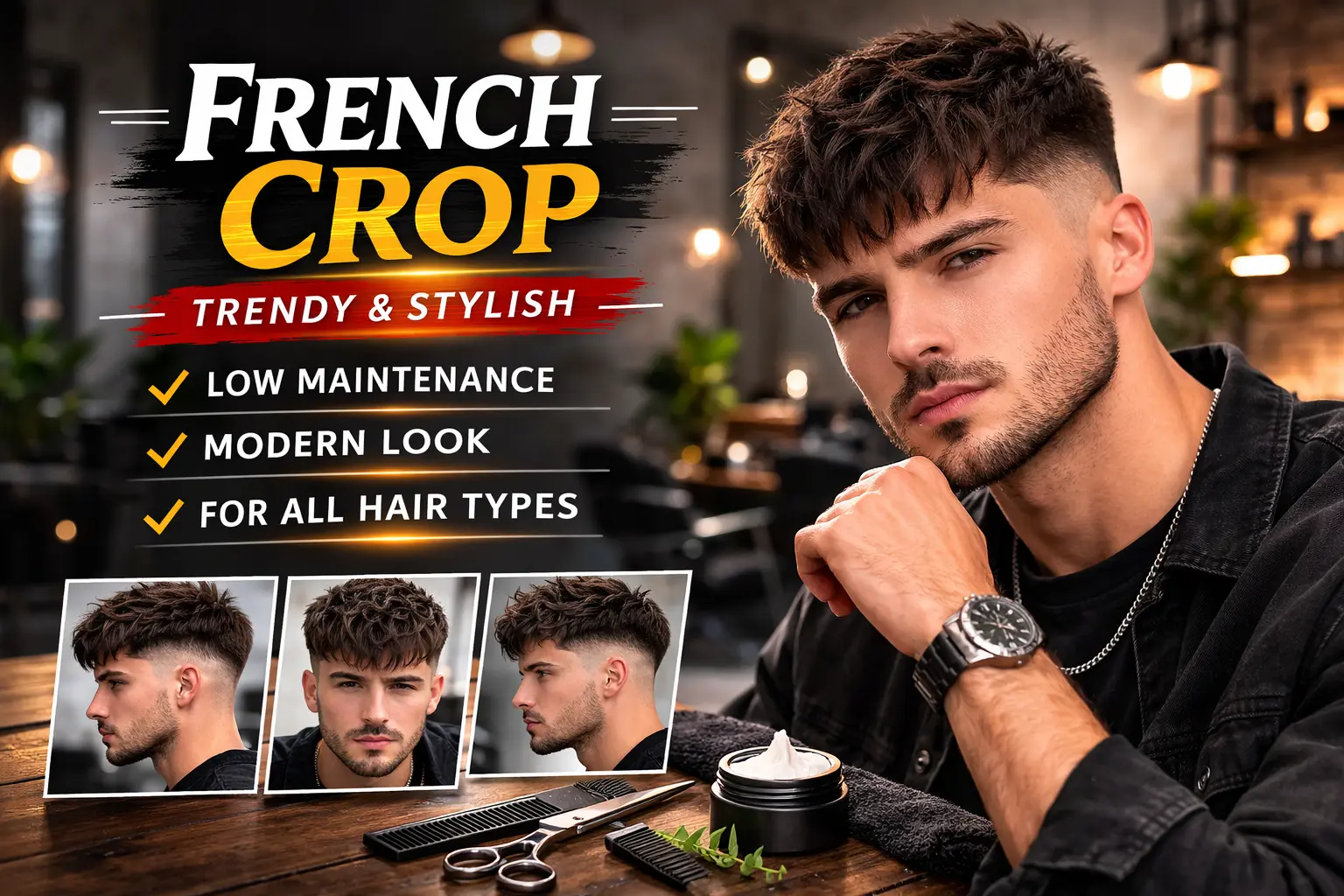
The French crop has become one of the most popular men’s hairstyles in recent years, and for good reason. Its clean, versatile, and stylish look suits almost every face shape and hair type. Whether you’re aiming for a professional appearance or a casual, effortless style, the French crop delivers a timeless look with minimal maintenance.
In this article, we’ll explore everything about the French crop, from its history and styling tips to maintenance routines and why it’s a favorite among men worldwide.
What is a French Crop?
The French crop is a short men’s haircut characterized by short sides and back with a slightly longer top. The fringe, or front section of hair, is usually styled forward, giving the haircut a distinctive textured look.
Unlike other short hairstyles, the French crop emphasizes simplicity and practicality. It is especially appealing for men with thick or wavy hair, as it naturally enhances volume and texture without extensive styling.
History of the French Crop
The French crop has its roots in Europe, where men favored short, manageable hairstyles that looked neat yet stylish. Initially popular among French soldiers, the haircut provided a practical solution during wartime while still allowing for a fashionable look.
Over the decades, the French crop evolved into a modern classic, gaining recognition in fashion magazines, runway shows, and even among celebrities. Today, it is not only a practical haircut but also a statement of refined style.
Why the French Crop is So Popular
There are several reasons the French crop continues to dominate men’s hairstyle trends:
- Low Maintenance: Unlike longer hairstyles that require frequent styling, the French crop is easy to maintain with minimal effort.
- Versatility: Suitable for all ages, occupations, and face shapes. It can be dressed up for professional settings or styled casually for a relaxed look.
- Adaptable Texture: Works well with straight, wavy, or curly hair. The fringe can be customized to frame the face effectively.
- Trendy Yet Timeless: The French crop strikes a balance between modern trends and classic styles, ensuring it never goes out of fashion.
How to Style a French Crop
Styling a French crop is simple but can be customized based on personal preference:
- Textured Crop: Use a matte pomade or styling clay to add texture and volume to the top. This look works well for casual or professional settings.
- Classic Crop: Keep the top slightly longer and comb forward for a clean, polished finish. Ideal for formal occasions.
- Messy Crop: For a relaxed vibe, simply tousle the hair with your fingers and apply a light styling cream for hold.
Pro Tip: The fringe is the key feature of the French crop. Experiment with different lengths and angles to complement your facial structure.
French Crop Variations
The French crop is versatile, offering multiple variations to suit different personalities:
- Short French Crop: Perfect for a low-maintenance, military-inspired look.
- Textured Fringe Crop: Adds movement and volume, especially for thicker hair types.
- Disconnected French Crop: Features a more distinct contrast between the short sides and longer top, offering a modern, edgy look.
- Fade French Crop: Combines the crop with a fade haircut for added sophistication and style.
French Crop for Different Hair Types
One of the reasons the French crop remains popular is its adaptability to various hair types:
- Straight Hair: Works well with a classic, neat crop. A light pomade can help maintain the fringe.
- Wavy Hair: Adds natural texture to the crop, creating a relaxed and effortless style.
- Curly Hair: The crop can be adjusted to reduce bulk while highlighting natural curls for a stylish look.
- Thinning Hair: The fringe can help mask receding hairlines and create the illusion of volume.
French Crop vs. Other Short Hairstyles
When choosing a short haircut, it’s essential to understand how the French crop compares to other popular styles:
- Crew Cut: Short all around, lacks the defined fringe of the French crop.
- Caesar Cut: Similar fringe, but typically shorter on top and more uniform.
- Buzz Cut: Minimal styling, more uniform and very short, whereas the French crop allows a longer top and styling options.
The French crop offers the perfect balance of practicality and style, making it ideal for men who want a sharp yet versatile look.
Maintenance Tips for a French Crop
Maintaining a French crop is straightforward:
- Regular Trims: Visit your barber every 3–4 weeks to maintain the shape and keep the fringe fresh.
- Daily Styling: Use light styling products such as clay, pomade, or cream. Avoid heavy gels that weigh down the hair.
- Hair Health: Maintain clean and healthy hair with regular washing and conditioning. Healthy hair improves texture and volume.
- Experiment: Adjust the fringe length or texture to suit seasonal trends or personal style changes.
Celebrities Who Rock the French Crop
The French crop has been a favorite among many celebrities, inspiring men around the world:
- Zayn Malik: Often seen sporting a modern, textured crop.
- Chris Pine: Known for his classic forward-fringe crop.
- David Beckham: Popularized the fade French crop variation.
These style icons demonstrate the versatility and timeless appeal of this haircut.
Pros and Cons of the French Crop
Pros:
- Minimal styling effort
- Versatile for casual and formal settings
- Enhances natural hair texture
- Suitable for all ages
Cons:
- Requires regular trims to maintain shape
- Fringe may need daily styling to avoid looking flat
- Not ideal for extremely long hair unless heavily cut
Conclusion
The French crop is more than just a haircut—it’s a timeless style that combines elegance, practicality, and versatility. Whether you have straight, wavy, or curly hair, this hairstyle can enhance your look and simplify your daily routine. With minimal effort and a touch of styling, the French crop can elevate your appearance and keep you looking effortlessly stylish year-round.

